Wooden Multiplication Board for Kids: Quick Daily Practice
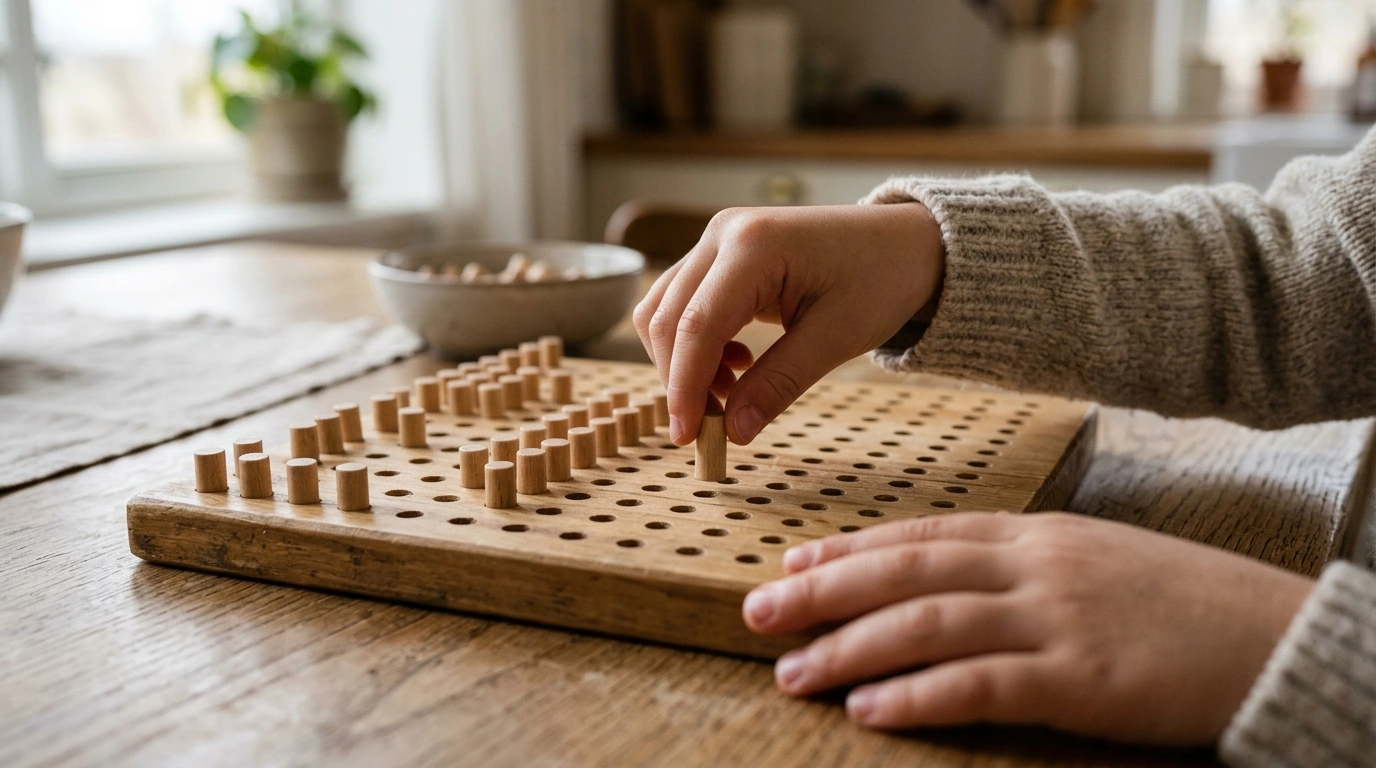
Wooden Multiplication Board for Kids: A Hands-On Way to Build Times-Table Confidence
A wooden multiplication board turns abstract facts into something kids can touch, move, and repeat until patterns click. With simple, screen-free practice, it can support memorization, number sense, and confidence—whether a child is just starting multiplication or needs a calmer way to review at home.
What a Wooden Multiplication Board Is
A wooden multiplication board is a tactile math tool that helps children practice multiplication facts using a grid with tiles or pegs arranged by rows and columns. Instead of writing answers on a worksheet, kids physically place the correct pieces, making the structure of multiplication visible.
Because the layout repeats the same relationships again and again, it naturally encourages pattern recognition. Children often notice commutative pairs (like 3×7 and 7×3), square numbers (like 6×6), and doubling patterns (like 4s connecting to 2s). Many families and educators use it alongside classroom lessons, homeschooling routines, or short daily practice sessions.
Why Hands-On Practice Helps Kids Learn Multiplication
For many learners, multiplication isn’t hard because they “can’t do math”—it’s hard because the facts feel like a huge list to memorize. A hands-on board can lower that pressure by linking number facts to movement: picking up a tile, tracing a row, or filling in a column.
This kind of practice supports multiple learning styles at once. The grid is visual, the pieces are kinesthetic, and the repeated relationships build logical connections. It can also make practice feel more like a puzzle than an assignment, which helps kids stay consistent. Another benefit: self-correction is built in. A missing tile or a piece that doesn’t fit the pattern stands out faster than a small mistake on paper.
Research and professional guidance often emphasize the value of representations and structured practice for building fluency and understanding, including through visual models and targeted support for struggling students. Helpful references include NCTM’s Principles and Standards, the What Works Clearinghouse practice guide for assisting students struggling with math, and pattern-focused learning resources from Stanford’s youcubed.
How to Use a Multiplication Board at Home (Simple Routines)
The most effective routine is short, repeatable, and low-drama. Aim for calm consistency rather than long sessions.
Try this 5–10 minute flow
- Warm-up (2–3 minutes): Choose one times table (like 3s) and complete only that row/column.
- Build-and-say method: Place each result while saying the fact aloud (“3 × 4 = 12”). This links visual placement to verbal recall.
- Pattern hunt: After finishing a table, ask what repeats (even/odd results, doubling patterns, 5s/10s endings).
- Mixed review: Pull 10 random facts and time a calm, no-pressure round. Focus on accuracy before speed.
- Error-friendly retry: If a fact is missed, leave it blank and return after completing the rest so the session ends with success, not frustration.
If attention is a challenge, keep the board accessible (not tucked away) and treat practice like brushing teeth: short, predictable, and not negotiable—but also not a big event.
What to Look For When Choosing One
Not all boards feel the same in a child’s hands. A few practical details make daily use much easier.
- Clear labeling: Easy-to-read numbers and a layout that shows rows/columns without visual clutter.
- Sturdy wood and smooth edges: More comfortable for small hands and safer for frequent handling.
- Piece fit and organization: Tiles should be easy to pick up; storage trays or built-in boxes help prevent missing pieces.
- Range of facts: Many cover 1–10 or 1–12—match what school expects.
- Learning extras: Some sets include activity cards or related boards (like addition/subtraction) for guided practice variety.
| Need | Good fit | Why it helps |
|---|---|---|
| First-time learner | 1–10 board with clear grid | Avoids overwhelm while building core facts |
| School aligns to 12s | 1–12 board | Matches classroom drills and tests |
| Easily frustrated by worksheets | Tile/peg style manipulative | Hands-on repetition feels less like homework |
| Multiple kids using it | Durable board + organized storage | Holds up to frequent use and stays complete |
| Short daily practice | Fast setup and tidy pieces | Makes consistency more realistic |
Common Learning Milestones This Tool Can Support
Wooden Multiplication Board for Kids (Product Overview)
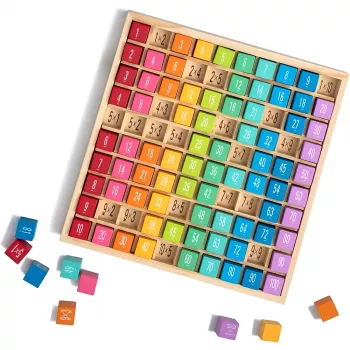
If you’re looking for a screen-free tool that encourages steady practice, the Wooden Multiplication Board for Kids is designed for repeated placement and quick daily review. It works well as homework support, a homeschool staple, or a simple math center activity.
| Item | Details |
|---|---|
| Product | Wooden Multiplication Board for Kids |
| Price | $13.82 USD |
| Availability | In stock |
Make practice feel like play (optional add-on)
For kids who enjoy building and concentrating with their hands, a creative project can reinforce patience and focus in a different way. The DIY 3D Puzzle Miniature House Kit is a separate, non-math activity that can complement a screen-light routine after homework is done.
FAQ
What age is a wooden multiplication board best for?
Most kids benefit once they start learning multiplication basics (often around ages 7–10), but it can also help older learners who need a more tactile review. Match the board’s range (1–10 or 1–12) to what the child is practicing in school.
How long should kids practice multiplication with a board each day?
Aim for 5–10 minutes of focused practice, 4–6 days per week. Keep sessions short and consistent, rotate which tables you practice, and revisit missed facts instead of extending the session.
Can a multiplication board help if a child struggles with memorization?
Yes—hands-on repetition, visible patterns, and built-in self-correction can make facts stick more naturally. Pair the board with saying facts aloud and noticing patterns (doubles, 5s endings, commutative pairs) to reduce pure rote pressure.







Leave a comment