15x7x7 Walk-In Tunnel Greenhouse: Waterproof Cover Guide
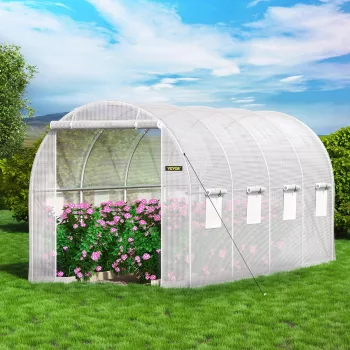
Walk-in Tunnel Greenhouse 15x7x7 ft: Portable Plant Hot House with Waterproof Cover
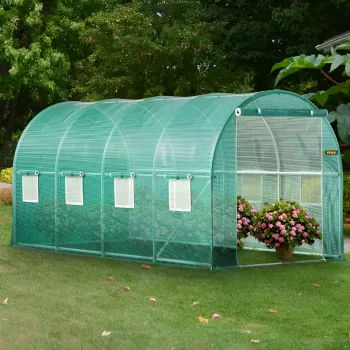
A walk-in tunnel greenhouse adds protected growing space without permanent construction. This 15x7x7 ft portable hot house pairs a roomy, stand-up interior with a waterproof cover to help buffer plants from cold snaps, heavy rain, wind, and pests while extending the practical growing season for seedlings, vegetables, herbs, and potted plants.
What a walk-in tunnel greenhouse is best for
Portable tunnel greenhouses shine when a garden needs flexible, weather-aware protection without pouring a slab or pulling permits. They’re especially useful for growers who want quick access and enough height to work comfortably.
- Season extension: start seedlings earlier and keep crops productive later into fall.
- Weather buffer: reduces stress from wind, driving rain, and sudden temperature swings.
- Plant protection: helps deter insects, birds, and small animals when doors and vents are managed properly.
- Everyday convenience: walk-in height makes watering, pruning, and harvesting easier than low tunnels.
- Flexible placement: works in yards, patios, and temporary garden areas where a permanent greenhouse isn’t practical.
For local climate expectations (especially winter lows), check your region on the USDA Plant Hardiness Zone Map and plan your crop timing around it.
Size and layout: making the most of 15x7x7 ft
A 15×7 footprint is large enough to organize like a small “grow room,” but compact enough to fit in many backyards. A little planning helps prevent the most common tunnel-greenhouse frustrations: cramped aisles, poor airflow, and plants rubbing the cover.
- Footprint planning: measure the intended spot, leaving extra clearance for door swing, vent access, and anchoring lines.
- Interior zones: reserve a central walkway and set growing areas on both sides for efficient access.
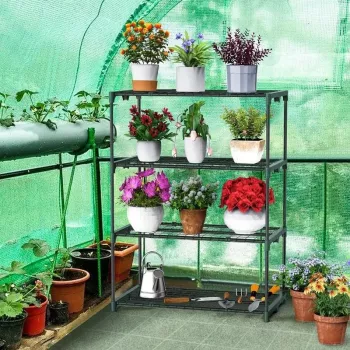
- Shelf and bench options: add freestanding racks or benches to increase vertical capacity while keeping airflow moving.
- Best-fit crop ideas: seedling trays, tomatoes/peppers with staking, cucumbers with trellis netting, overwintering potted plants.
- Realistic capacity: plan for airflow lanes so plants do not press against the cover, which can trap moisture and invite disease.
| Layout choice | How it’s arranged | Best for | Notes |
|---|---|---|---|
| Center aisle | Walkway down the middle with grow zones left/right | Daily harvesting and mixed crops | Maintain a clear path for ventilation and watering |
| One-side bench | Wide bench on one side, open floor on the other | Pot storage and staging seedlings | Keep taller plants on the open side to prevent shading |
| Two narrow benches | Benches along both sides plus a narrow aisle | Maximizing trays and small pots | Prioritize airflow; avoid crowding near the cover |
| Trellis lane | Dedicated strip for trellis crops with open walkway | Cucumbers, pole beans, indeterminate tomatoes | Anchor trellis to frame; avoid pulling on the cover |
Waterproof cover and frame: what to look for in day-to-day use
A waterproof cover is about more than staying dry. Used well, it can stabilize growing conditions by limiting direct rain on foliage and controlling how moisture moves through the space.
- Waterproofing benefits: helps keep foliage drier during storms and protects soil structure from heavy rain impact.
- Light management: clear/transparent-style covers support stronger growth; add shade cloth in peak summer if plants scorch.
- Frame stability: a tunnel shape sheds wind better than flat walls, but anchoring is still essential.
- Zippers, doors, and vents: easy access encourages consistent care; vents help manage heat spikes on sunny days.
- Seasonal durability: check seams, attachment points, and tension regularly to reduce flapping and premature wear.
For deeper reading on greenhouse operation and crop care, guidance from UMass Amherst Extension (Greenhouse Management) is a helpful reference.
Setup, placement, and anchoring that prevents headaches later
Most tunnel greenhouse complaints trace back to site choice and anchoring. Taking time up front makes the structure quieter in wind, easier to enter after storms, and less likely to shift out of square.
- Choose a level site: reduce stress on the frame and prevent water pooling under the greenhouse.
- Sun and wind: orient the length to capture consistent sun; place the door for convenient access and to reduce wind tunnel effects.
- Ground prep: mow short grass or lay landscape fabric and gravel/pavers for a cleaner, less muddy walkway.
- Anchoring basics: use stakes, auger anchors, or heavy base weights; tighten after the first windy day.
- Snow and storm protocol: remove snow accumulation promptly and temporarily open/relieve cover tension if extreme wind is forecast.
Ventilation and temperature control in a portable hot house
Even in mild weather, a covered structure can heat quickly when the sun comes out. Ventilation is what keeps growth steady and disease pressure lower.
Care, cleaning, and storage to extend lifespan
Product options available now
- Walk-in Tunnel Greenhouse 15x7x7 ft – Portable Plant Hot House with Waterproof Cover ($118.01)
- Compact Portable Power Bank ($22.51) for powering small USB devices like a basic fan, phone-based sensor hub, or emergency charging during long garden days
FAQ
How do you keep a tunnel greenhouse from blowing away?
Use multiple anchoring methods: secure corners with stakes or auger anchors, add tie-downs along the sides, and re-tension the cover after the first windy day. Base weights (pavers, sandbags, or lumber) also help, especially in gusty locations.
Will a waterproof cover still need ventilation?
Yes—waterproofing doesn’t stop heat buildup or condensation. Vent on sunny mornings, use door-and-vent crossflow when possible, and keep plants spaced so moist air can escape instead of clinging to leaves.
Can this type of greenhouse be used in winter?
It can extend the season, but it isn’t the same as a heated greenhouse. For winter use, rely on cold-tolerant crops, add inner row covers for short cold snaps, use thermal mass like water jugs, and monitor temperature and snow accumulation closely.







Leave a comment