Smokeless Indoor Grill: Adjustable Heat, Nonstick Cleanup
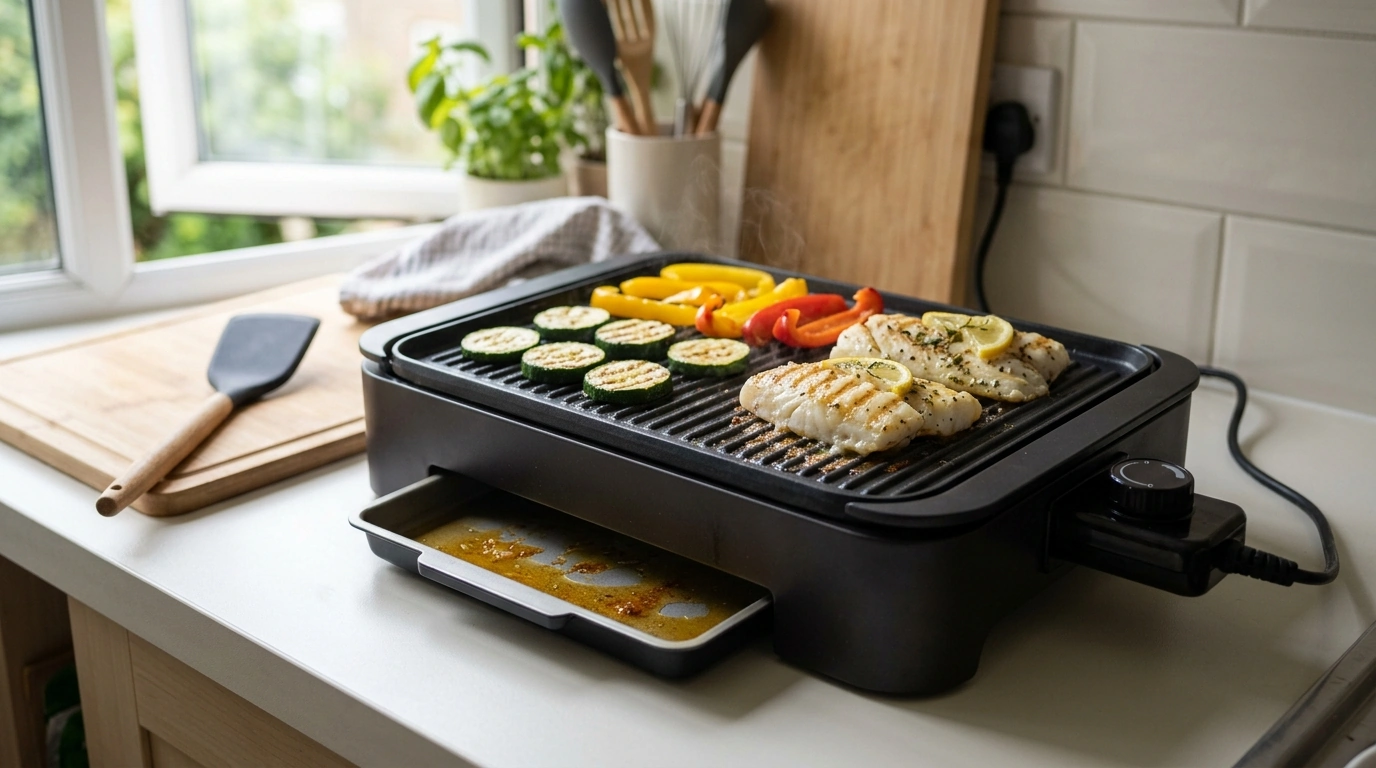
Smokeless Indoor Electric Grill: Adjustable Heat, Easy Nonstick Cleanup
Indoor grilling can be quick and satisfying when heat is precise, smoke is minimized, and cleanup doesn’t become a project. A smokeless-style indoor electric grill is designed to help manage drips and keep cooking more comfortable in apartments, condos, and busy family kitchens. Below is a practical guide to what “smokeless” really means, how adjustable temperature control changes the way food turns out, and why nonstick parts matter when this is a weeknight tool—not a once-a-month gadget.
What “smokeless” indoor grilling really means
“Smokeless” doesn’t mean a grill produces zero smoke or odor. Instead, it usually refers to design features that reduce visible smoke compared with open-flame grilling or indoor methods where fat frequently hits very hot surfaces.
- Smoke is often created when excess fat drips, overheats, and burns; grills that route grease into a drip tray can reduce that.
- Temperature control matters because overheated oils and sugars can quickly begin to smoke.
- Ventilation still helps—use a range hood, crack a window, or run a fan when cooking fatty cuts.
- Even with good drip management, marinades and high-heat browning can create aroma and a little haze.
For broader indoor air quality considerations, the EPA’s Indoor Air Quality guidance is a helpful reference for maintaining airflow and reducing indoor pollutants.
Why adjustable temperature control changes the food
Adjustable heat is the difference between “one setting fits none” and a grill that can handle everything from delicate fish to quick browning. Lower settings support gentler cooking and reduce scorching, while higher settings help develop color and texture—especially on thin cuts or skewers.
- Low-to-medium heat works well for fish, vegetables, and reheating without burning the exterior.
- High heat can brown quickly, but excessive heat can increase smoke from fats and sugars.
- Steadier heat improves consistency across multiple batches—useful when cooking for families.
- A stable dial/control system makes it easier to sequence foods with different needs in one session.
Temperature ranges and typical uses (general guidance)
| Heat setting | Best for | Tips to reduce smoke |
|---|---|---|
| Low | Warming, delicate fish, soft vegetables | Pat food dry; use minimal oil |
| Medium | Chicken pieces, burgers, mixed vegetables | Trim excess fat; avoid sugary glazes early |
| High | Quick browning, steaks (thin cuts), kebabs | Preheat briefly; cook in smaller batches; keep drip area clean |
For safety, always cook proteins to recommended internal temperatures. The USDA safe temperature chart is a dependable standard for poultry, ground meats, seafood, and leftovers.
Nonstick parts: convenience, care, and longevity
Nonstick surfaces are a major reason people stick with indoor electric grills. Food releases more easily, less oil is needed, and the “scrub session” is usually shorter—especially when parts are removable.
- Nonstick surfaces help reduce sticking and tearing (useful for fish and marinated vegetables).
- Removable nonstick components make sink cleaning simpler than fixed plates.
- Use silicone or wood utensils to prevent scratches; avoid abrasive pads unless the manufacturer says they’re safe.
- Let parts cool before washing to reduce warping and help preserve coatings.
Small habits extend lifespan: wipe excess grease between batches, avoid aerosol cooking sprays if the manufacturer discourages them, and store plates so they don’t rub against metal tools.
Key features that matter for everyday indoor grilling
When an indoor grill is used regularly, details that sound minor on a product page can have a big impact in real kitchens.
- Drip tray and grease routing: Helps prevent flare-like smoke events caused by dripping fat hitting hot surfaces.
- Plate size and cooking area: Determines whether dinner is one round or three rounds.
- Heat distribution: Even heating reduces hot spots that burn oils and seasonings.
- Cord length and countertop footprint: Influences where the grill can operate safely and comfortably.
- Part removability: Fewer hard-to-reach corners usually means faster cleanup.
Using a smokeless indoor electric grill for better results
Featured option: Smokeless Indoor Electric Grill with Adjustable Temperature Control, Nonstick Parts
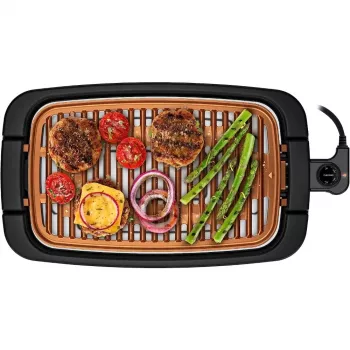
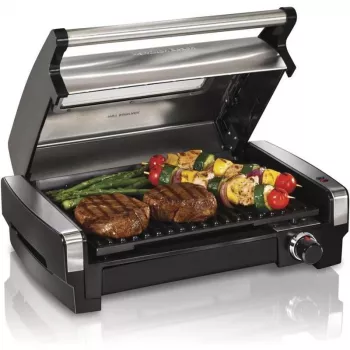
If the goal is an indoor-friendly grill with flexible heat and easier cleanup, the Smokeless Indoor Electric Grill with Adjustable Temperature Control, Nonstick Parts is designed for exactly that kind of everyday use. Adjustable temperature control supports quick weeknight meals like vegetables, burgers, skewers, and simple proteins, while nonstick components help food release cleanly and make cleanup less time-consuming. Price and availability can change, so confirm details on the product page before ordering.
At-a-glance details
| Item | Details |
|---|---|
| Product | Smokeless Indoor Electric Grill with Adjustable Temperature Control, Nonstick Parts |
| Price | 43.01 USD |
| Availability | In stock |
| Product page | View product |
A helpful prep add-on for better texture
For tougher cuts that benefit from a more even bite (and potentially shorter cook time), a dedicated tenderizer can help before grilling. The Commercial Meat Tenderizer is an in-stock option to consider for steaks, cutlets, and stir-fry-style strips you plan to grill indoors.
Safety and maintenance basics
For general consumer kitchen safety practices, the CPSC kitchen safety guidance is a useful overview.
FAQ
Does a smokeless indoor electric grill eliminate smoke completely?
No. It typically reduces visible smoke compared with many indoor methods, but fatty foods, high heat, and sugary marinades can still create smoke and noticeable aroma. Using ventilation and keeping the drip area clean helps a lot.
What temperature should be used for burgers, chicken, and vegetables?
Medium heat is a solid starting point for burgers and chicken pieces, while low-to-medium works well for most vegetables. Use higher heat briefly for browning when needed, and adjust for thickness and moisture to avoid overheating and excess smoke.
How can nonstick grill parts be cleaned without damaging the coating?
Let parts cool, then wash with mild soap and a soft sponge or cloth. Avoid metal utensils and abrasive scrubbers unless the manufacturer explicitly approves them, and confirm whether removable parts are dishwasher-safe before running a cycle.








Leave a comment