Heavy Duty Rolling Clothing Rack: Smooth, Stable Storage
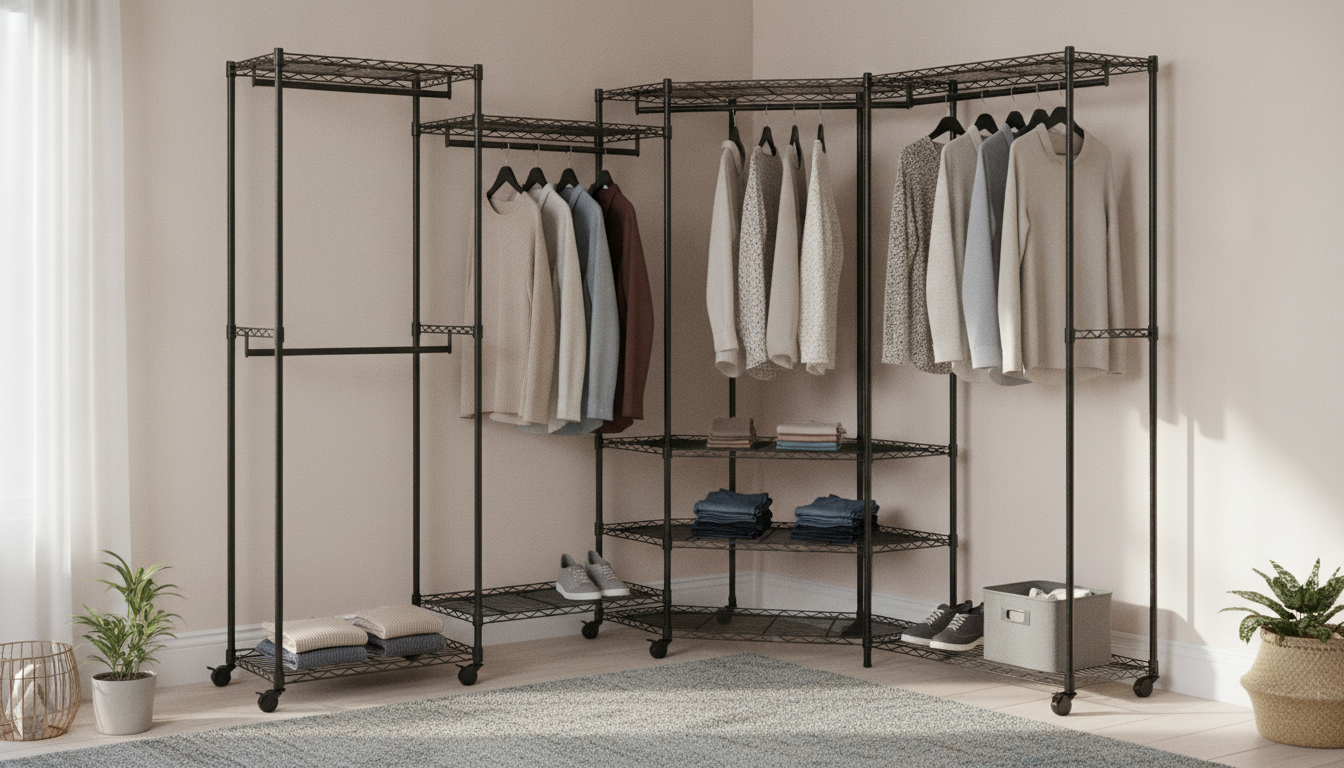
Heavy Duty Rolling Clothing Rack: Stable Storage That Moves With You
A rolling clothing rack should solve two problems at once: hold a lot of weight without bowing, and glide smoothly without tipping or snagging floors. The right heavy duty rack adds dependable hanging space for seasonal wardrobes, laundry overflow, back-of-house retail, photo shoots, and events—while staying easy to reposition and store when needed.
What “Heavy Duty” Should Mean in a Rolling Clothing Rack
“Heavy duty” isn’t just a number on a box—it’s how the rack behaves when it’s loaded, pushed, and parked. A truly sturdy rolling rack should feel composed under real use, not just when standing still.
- Frame strength: Look for thick-gauge steel tubing, reinforced joints, and minimal wobble when pushed from the side.
- Hanging bar rigidity: The bar should resist bending under dense garments (coats, denim, workwear) and stay level end-to-end.
- Joint design: Welded or well-braced connections at corners and uprights help prevent sway during movement.
- Base geometry: A wider footprint and low center of gravity reduce tip-over risk when fully loaded.
- Real-world load handling: Stability matters as much as stated capacity—especially when garments slide to one side while rolling.
For workplaces where racks get pushed frequently, safer movement and positioning habits also matter. OSHA’s ergonomics guidance is a helpful reference for reducing strain during repetitive handling: https://www.osha.gov/ergonomics.
Sizing Your Rack to the Space and the Clothes
A rack that’s “big enough” can still be the wrong fit if it can’t roll through your doorway or if garments drag the floor. Sizing should start with where the rack needs to travel and park.
- Measure the travel path first: Confirm doorways, narrow hallways, and turns so the rack can roll where it’s needed.
- Confirm hanging height: Long coats and dresses need extra clearance to avoid dragging; shorter garments can be doubled with accessories.
- Plan for hanger width: Crowded hangers increase friction and make rolling harder; leaving a little space improves mobility and garment care.
- Account for side overhang: Bulky items can extend past the bar ends and clip walls or door frames during movement.
- Consider storage mode: If the rack will be parked in a closet or corner, check the parked footprint and clearance for casters.
| Setup | Best focus | Why it helps |
|---|---|---|
| Small apartment overflow | Narrow footprint + smooth casters | Moves easily between bedroom and laundry without dominating the room |
| Retail back room | High stability + dense loading | Handles frequent rolling and heavier garment mixes |
| Events & pop-ups | Fast setup + reliable locking wheels | Keeps displays steady on imperfect floors |
| Laundry & staging | Easy access + parking brakes | Prevents runaway rolling when loading/unloading |
Casters, Locks, and Floor Protection
Wheels are the difference between “portable” and “actually easy to move.” Pay attention to both the caster size and how the lock behaves once the rack is parked.
- Wheel diameter: Larger wheels typically roll more easily over seams, low thresholds, and textured surfaces.
- Tread material: Softer wheels tend to be kinder to hardwood and tile; harder wheels often roll faster on smooth concrete.
- Locks that matter: Look for brakes that stop both rolling and swiveling when parked so the rack doesn’t drift during loading.
- Swivel vs. fixed: Four swivels improve turning in tight spaces; stability comes from a solid base and quality caster mounts.
- Floor protection habits: Avoid dragging a locked wheel; unlock before moving to reduce marks and caster wear.
Stability and Weight Management (So It Doesn’t Tip)
A heavy duty rack should stay upright when loaded, but stability still depends on how weight is placed and how the rack is moved. Most tip incidents happen during quick pulls, abrupt thresholds, or lopsided loading.
For homes and shared spaces, tip-over awareness is worth taking seriously. The U.S. Consumer Product Safety Commission provides practical prevention guidance that applies to many types of freestanding storage: https://www.cpsc.gov/Safety-Education/Safety-Education-Centers/Furniture-Tip-Overs.
Product Spotlight: Heavy Duty Rolling Clothing Rack
If you want extra hanging space with the convenience of rolling mobility, the Heavy Duty Rolling Clothing Rack is a straightforward option for daily organization and temporary setups alike. It’s useful for staging outfits, organizing seasonal rotations, creating a “landing zone” for laundry day, or supporting sorting tasks in a back room.
| Item | Detail |
|---|---|
| Product | Heavy Duty Rolling Clothing Rack |
| Price | 109.01 USD |
| Availability | In stock |
Assembly, Care, and Long-Term Use
More In-Stock Finds for Busy Spaces
- 5-Step Folding Dog Stairs for Cars for easier vehicle access when you’re loading up for trips or events.
- Kids Wooden Tool Bench Set for hands-on play in a dedicated corner—helpful when you want a clear “kid zone” separate from clothing and laundry areas.
- Personalized Balloon Letter Necklace as a small, giftable pick when you’re organizing for birthdays, pop-ups, or special occasions.
FAQ
How much weight can a heavy duty rolling clothing rack hold without bending?
It depends on the tubing thickness, how well the joints are braced, and how rigid the hanging bar is. Even with a strong rack, distribute weight evenly, leave some hanger space, and treat wobble or bowing as a sign to reduce the load.
Will rolling clothing rack wheels damage hardwood floors?
They can if the wheels are hard, dirty, or dragged while locked. Softer treads, keeping casters free of grit, unlocking before moving, and using a thin protective runner in high-traffic paths can help prevent scuffs.
How do you keep a rolling clothing rack from tipping over?
Keep heavier items centered and spread out across the bar, lock the wheels during loading, and move slowly—especially over rugs and thresholds. Push from the upright posts rather than yanking on one end of the bar.









Leave a comment