1500W Portable Induction Cooktop: Touch Control Precision
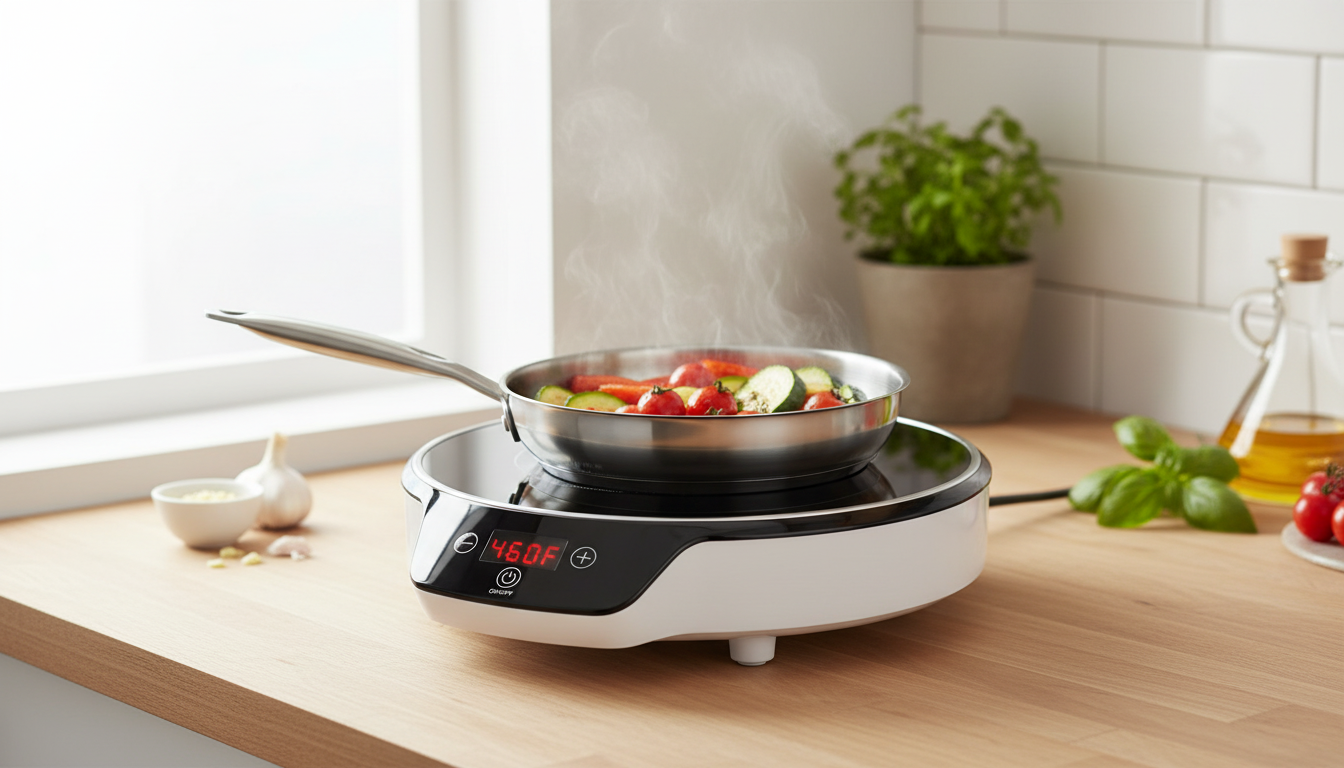
Portable 1500W Induction Cooktop with Digital Display and Touch Controls: Small-Space Power with Precise Control
A compact induction cooktop can turn a countertop into a fast, precise cooking zone for apartments, dorms, RVs, and extra burners at home. This guide breaks down what to expect from a 1500W portable induction unit with a digital display and touch controls—how it heats, what cookware works, how to use it efficiently, and which details matter most for daily cooking.
What an induction cooktop changes in day-to-day cooking
Induction cooking works differently than coil-style electric burners. Instead of heating the element first and then the pan, induction uses electromagnetic energy to heat the pan directly. That often means less wasted heat in the room and a more responsive feel when adjusting settings.
- Heats the pan directly, helping reduce wasted heat compared with many traditional electric options.
- Responsive temperature changes make it easier to simmer sauces, melt chocolate with less scorching, and bring water to a boil quickly.
- A flat cooking surface can be simpler to wipe down after spills, especially after starchy boil-overs.
- Useful as an extra burner during holidays or batch cooking when the main stove is full.
For a helpful overview of how induction works and why it’s considered efficient, the U.S. Department of Energy explains the basics here: Induction Cooking (energy.gov).
Key features to look for in a 1500W portable unit
Most portable induction cooktops top out at 1500W because that’s a common practical ceiling for standard household outlets. Performance still depends on cookware, the selected mode (power vs. temperature), and how centered the pan is on the cooking zone.
- Power ceiling: 1500W max is common; real-world heating depends on pan material and mode selection.
- Digital display readability: Clear digits and indicators help confirm settings at a glance.
- Touch controls: Look for intuitive +/- adjustments, responsive buttons, and a lock function if available.
- Timer support: Great for grains, poaching, and hands-off simmering with shutoff at the end of a countdown.
- Ventilation design: Side or rear vents need breathing room to maintain performance and reduce overheating.
Product snapshot
The Portable 1500W Induction Cooktop with Digital Display and Touch Controls is designed for portable countertop use with a 1500W maximum output and a digital interface for quick adjustments. It’s a practical fit for small kitchens, travel cooking setups, or as a supplemental burner when entertaining.
At-a-glance details
| Feature | What it means for cooking |
|---|---|
| 1500W max power | Fast heating for boiling, searing smaller portions, and quick weeknight meals (when used on a suitable outlet). |
| Digital display | Clear confirmation of selected mode/level and timer status. |
| Touch controls | Quick adjustments without knobs; can be easier to wipe clean after use. |
| Portable countertop format | Works in apartments, dorms, RVs, offices, and as an extra burner at home. |
Cookware compatibility and how to check it
Induction requires cookware with a magnetic base. Cast iron is nearly always compatible, and many stainless-steel pans work as long as the base is magnetic. Aluminum and copper pans typically won’t work unless they have an induction-ready base layer.
- Magnet test: A magnet should strongly stick to the bottom of the pan. Weak attraction can lead to inconsistent heating.
- Flat bottoms matter: Flat cookware improves contact and stability; warped pans can heat unevenly and may trigger errors.
- Right-size your pan: Choose pan sizes that sit centered on the cooking zone to maintain steady heating and avoid wasted energy.
Using the digital display and touch controls smoothly
Touch controls feel modern and easy to clean, but they’re most pleasant to use with a simple routine: stable placement, a centered pan, and small adjustments—especially for delicate cooking.
- Start with a centered pan, then power on and select a heat level or temperature setting depending on the available modes.
- Make small changes when simmering; induction reacts quickly, so big jumps can overshoot.
- For sautéing and stir-frying, preheat briefly, add oil, then add ingredients—short preheats often prevent smoking.
- Use the timer for rice, pasta, or soup simmering; confirm whether the timer ends with automatic shutoff.
- If a control lock is available, enable it when wiping the surface or when children are nearby.
Performance expectations in real kitchens (small-space angle)
In compact spaces, the main advantages are speed, control, and convenience. A portable induction cooktop can handle most everyday tasks, but it’s worth setting expectations based on outlet limits and pan choice.
For general cooking safety reminders—especially when adding an extra appliance to a busy counter—see the NFPA’s guidance: Cooking Safety (nfpa.org).
Safety and care basics
Best use cases and meal ideas
If your cooking setup is on the go—camping weekends, RV trips, or packing gear into a vehicle—space-saving add-ons can make loading and unloading easier. For pet owners who travel, the 5-Step Folding Dog Stairs for Cars can help reduce lifting and make vehicle entry more manageable.
What to check before buying
FAQ
Does an induction cooktop work with any pot or pan?
Only cookware with a magnetic base works reliably. Test by placing a magnet on the bottom of the pan—cast iron and many stainless-steel pans are compatible, while aluminum and copper usually need an induction-ready base.
Is 1500W enough for boiling and everyday cooking?
For most countertop tasks—boiling water, sautéing, simmering, and cooking single-pot meals—1500W is typically sufficient. Flat, magnetic cookware and a dedicated outlet help you get the best results.
How should the glass surface be cleaned without scratching it?
Let the unit cool, then wipe with a soft cloth and a non-abrasive cleaner. Lift (don’t slide) heavy cookware to reduce the chance of scratches.








Leave a comment