Heated Outdoor Cat House: Winter Warmth & Safety Guide
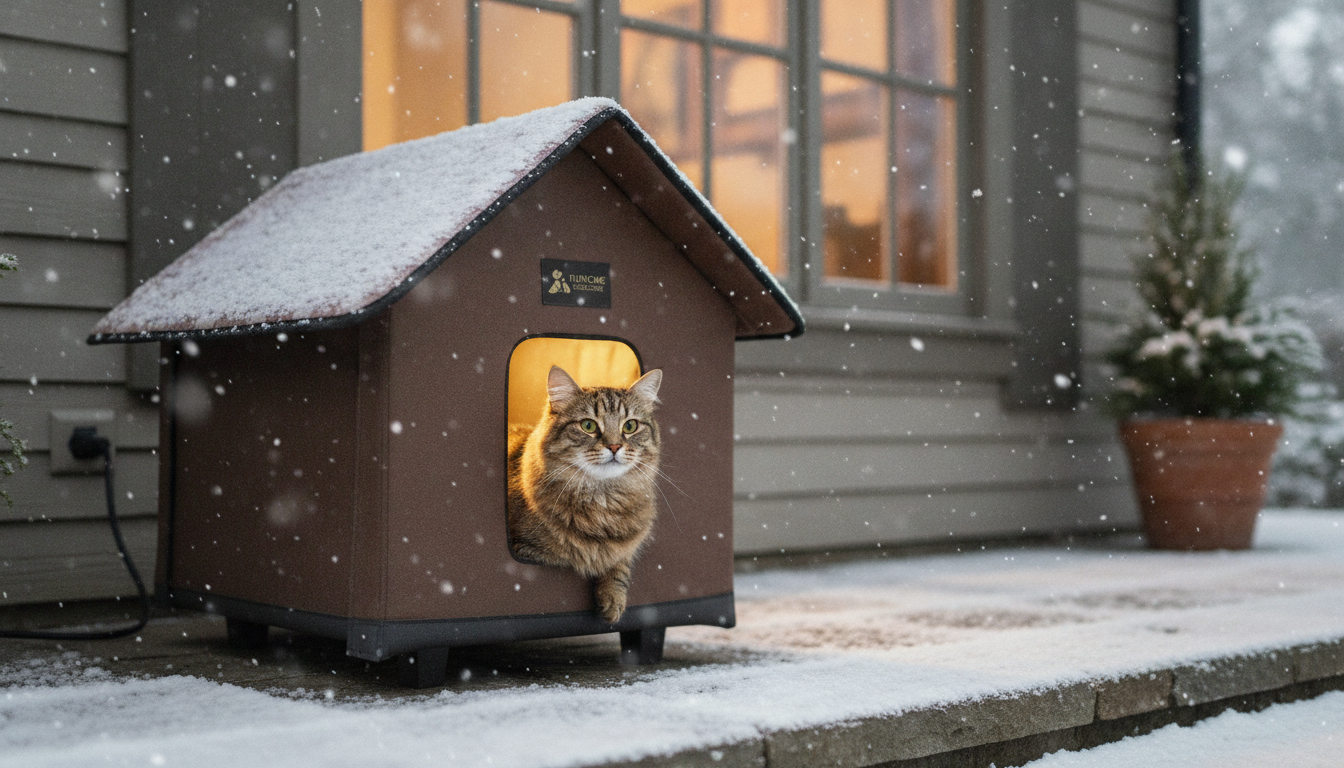
Heated Outdoor Cat House for Winter Shelter and Comfort
A warm, dry shelter can make the difference between a cat simply enduring cold weather and staying genuinely comfortable. A heated outdoor cat house combines insulation, a protected entrance, and safe, low-watt warmth to help outdoor, barn, or neighborhood cats rest out of wind, rain, and freezing temperatures.
What a Heated Outdoor Cat House Does Well
- Creates a draft-reduced resting space that feels warmer than the surrounding air.
- Uses gentle, pet-safe heat (typically low-watt) to take the edge off freezing temperatures.
- Keeps bedding drier by elevating the resting area and limiting wind-driven moisture.
- Offers a predictable “home base” that helps outdoor cats conserve energy in winter.
- Works for porch, patio, garage exterior walls, barns, and covered entry areas.
Cold stress isn’t just about temperature; wind chill and dampness can pull warmth from a cat’s body fast. A well-built heated shelter focuses on blocking airflow, staying dry, and providing a mild warm surface where a cat naturally curls up.
Key Features to Look For Before Buying
- Insulation and tight seams: reduces heat loss and prevents cold air from pouring in.
- Weather resistance: a roof and outer shell that shed rain and snow; raised floor helps with slush and puddles.
- Entrance design: a smaller opening blocks wind; a flap helps but must be easy for cats to push through.
- Interior size: enough room to turn around and curl up, but not so large that body heat and the heater dissipate.
- Heating method: integrated heated floor/pad or a compatible pet-safe heating pad; avoid space heaters or high-heat devices.
- Cord protection: chew-resistant cord routing and a safe path to an outdoor-rated outlet.
- Easy cleaning: removable lid/roof or accessible door for swapping bedding.
As a quick safety baseline, choose equipment designed for pets and outdoor use. For general winter pet precautions, see guidance from the ASPCA and the Humane Society of the United States.
Heating Options Compared
Not every setup needs electricity, but every setup needs dryness and wind protection. The options below help match your local winter conditions, outlet access, and the cats you’re caring for.
| Option | Best for | Pros | Watch-outs |
|---|---|---|---|
| Heated outdoor cat house (insulated + heater) | Consistent winter cold, seniors, thin-coated cats | Reliable warmth; cozy sleep surface; predictable refuge | Needs safe power access; keep cord protected; keep interior dry |
| Insulated shelter + straw bedding (no electricity) | Feral colonies; remote spots; power not available | No outlet needed; straw insulates even when slightly damp | Must replace straw periodically; less help in extreme cold snaps |
| Self-warming pad inside insulated shelter | Milder winters; covered porches | Simple; no power; easy to swap | Limited warmth in sustained freezing temperatures |
| Heated pad placed in a basic box/shelter | Short-term or budget setup | Adds warmth quickly | Risky if shelter isn’t weatherproof/insulated; must ensure pad is pet-safe and dry |
If you’re supporting community cats and need a proven non-electric approach, Alley Cat Allies provides practical shelter guidance and placement tips: Feral Cat Winter Shelter.
Where to Place It for Best Warmth (and Cat Approval)
- Choose a sheltered spot: under an awning, porch roof, or against a wall to block wind.
- Keep it off the ground: place on a pallet, patio pavers, or a stable platform to reduce cold transfer and puddle exposure.
- Face the entrance away from prevailing wind: if possible, aim toward a wall or corner.
- Avoid high-traffic areas: cats use shelters more when they feel hidden from people, dogs, and loud equipment.
- Follow existing routines: for neighborhood cats, place the shelter near their usual route and allow a few days for cautious inspection.
Small adjustments matter. Rotating the entrance away from wind and raising the floor a few inches can noticeably reduce drafts and condensation inside.
Safe Setup: Power, Bedding, and Moisture Control
Everyday Use and Seasonal Care
A Practical Option: Heated Outdoor Cat House
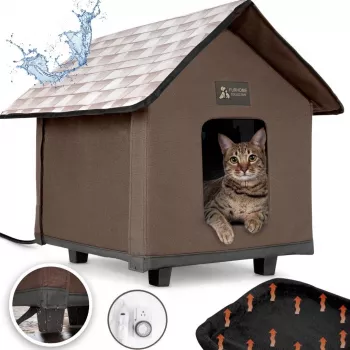
For a ready-to-use winter solution, the Heated Outdoor Cat House is designed to give outdoor cats a dedicated warm resting place during winter weather. It’s a strong fit for porches, patios, barns, and other sheltered outdoor locations where safe power access is available.
For multi-pet households that also need easier vehicle access for a small dog or senior pet, consider the 5-Step Folding Dog Stairs for Cars as a separate comfort upgrade—especially during icy months when jumping can be harder on joints.
FAQ
Is a heated outdoor cat house safe to leave plugged in?
It can be safe when the unit is designed for pets, uses low-watt warming, stays dry, and is powered from an outdoor-rated (ideally GFCI) outlet. Protect the cord from chewing and weather, and check the house regularly for moisture, damage, or shifting.
What bedding works best inside an outdoor heated cat house?
Follow the heater maker’s directions first; many heated floors/pads work best with minimal bedding so warmth can reach the cat. Keep bedding dry, avoid towels in damp climates, and use straw as a strong non-electric insulation option when you’re not using a heater.
How cold is too cold for an outdoor cat without heated shelter?
There isn’t one universal temperature because risk depends on wind, moisture, age, health, coat condition, and acclimation. Provide a warm, dry shelter early in the season and watch for signs of hypothermia or frostbite; a veterinarian can advise if a cat is elderly, ill, or underweight.










Leave a comment