Cordless Stick Vacuum: Everyday Speed, Less Dust Buildup
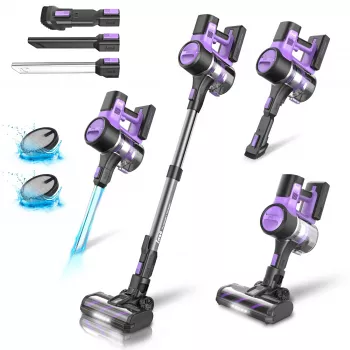
Cordless Stick Vacuum Cleaner for Fast, Everyday Cleaning
A cordless stick vacuum cleaner is built for quick pickups, tight corners, and easy storage—without dragging a cord from room to room. The right model makes it easier to stay ahead of daily dust, crumbs, and pet hair, especially in high-traffic spaces like kitchens, entryways, and living rooms. Below is a practical guide to what matters most in day-to-day use, including battery habits, suction modes, filtration, floor compatibility, and simple upkeep.
What a Cordless Stick Vacuum Cleaner Does Best
For many homes, the biggest advantage is frequency: it’s easier to vacuum a little more often when setup is nearly instant. Cordless stick vacuums excel at:
- Handling frequent, light-to-medium messes like dust, crumbs, pet hair, and tracked-in debris
- Moving easily between rooms, stairs, and furniture thanks to a lightweight, upright form
- Supporting quick “grab-and-go” cleaning sessions that reduce buildup over time
- Storing in small spaces more easily than many canister or full-size upright models
If daily maintenance is the goal, a cordless stick vacuum can keep surfaces looking consistently clean between deeper clean sessions.
Key Features to Look For Before Buying
Not all cordless stick vacuums behave the same across rugs, hard floors, and pet-heavy areas. These features tend to make the biggest difference in everyday satisfaction:
- Suction modes: a standard mode for routine cleaning plus a boost mode for heavier debris or embedded grit
- Brush roll performance: agitation helps on carpets; gentle handling helps on hard floors to avoid scattering
- Battery system: removable batteries can extend total cleaning time if spares are available
- Dustbin design: quick-release bins make emptying less messy and reduce contact with dust
- Filtration: better seals and finer filters can help limit dust recirculation
For homes with pets, pay extra attention to airflow and brush design; hair wrap and small clogs are the two most common performance killers over time.
Cordless vs. Corded: Practical Tradeoffs
Cordless models prioritize speed and convenience, while corded vacuums prioritize continuous power. The most noticeable differences show up in runtime and deep-clean performance on thicker carpet.
Quick Comparison: Cordless Stick vs. Corded Vacuum
| Category | Cordless Stick Vacuum | Corded Vacuum |
|---|---|---|
| Setup time | Very fast; pick up and go | Slower; plug/unplug and manage cord |
| Runtime | Limited by battery; shorter on boost mode | Unlimited while plugged in |
| Stairs & cars | Typically easier to carry and maneuver | Often bulkier; cord can snag |
| Deep carpet cleaning | Depends on suction/brush design | Often stronger and more consistent |
| Storage | Compact; many stand or dock | Can require more closet space |
For many households, the best approach is simple: cordless for daily maintenance, then a deeper clean as needed (especially if there’s thick carpet or lots of fine dust).
Battery Runtime and Charging Habits
Real-world runtime varies because power mode and surface type change how hard the motor works. Standard mode typically stretches the battery much further, while boost mode is best treated as a spot-clean setting.
- Runtime changes with usage: higher suction uses more power and reduces cleaning time
- Charging time matters: especially if the vacuum is used multiple times per day in busy households
- Battery indicators help: a clear display or light can prevent mid-clean surprises
- For longer sessions: clean in sections, use boost only on problem areas, and keep filters clean to reduce strain
A good routine is to do quick passes in high-traffic zones daily or every other day, then do a longer “whole home” session when the battery is fully topped off.
How It Performs on Common Surfaces
Floor type is where cordless stick vacuums can feel dramatically different. Matching the vacuum’s design to your home’s surfaces keeps cleaning fast and consistent.
- Hard floors: look for strong edge cleaning and debris pickup without scattering
- Low-pile rugs: consistent suction and a brush roll can improve pickup of fine debris
- Medium/high-pile carpet: performance varies widely; boost mode may be needed for embedded dirt
- Pet hair: anti-tangle brush designs and adequate airflow help reduce wrap and clogging
Filtration and Indoor Air Considerations
Vacuuming isn’t only about what you see on the floor. Filtration and seals can influence how much fine dust stays contained—particularly helpful for households sensitive to dust and dander. For background on why indoor air quality matters, see the U.S. Environmental Protection Agency’s introduction to indoor air quality.
For cleaning best practices around the home, the CDC’s guidance on cleaning and disinfecting your home is a helpful reference point.
Attachments and Everyday Versatility
Maintenance That Keeps Suction Strong
Recommended Picks Available Now
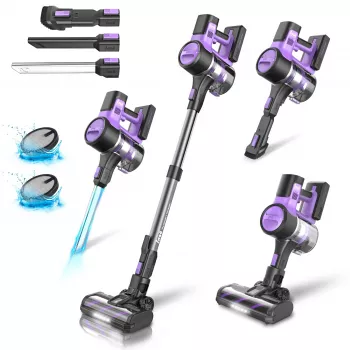
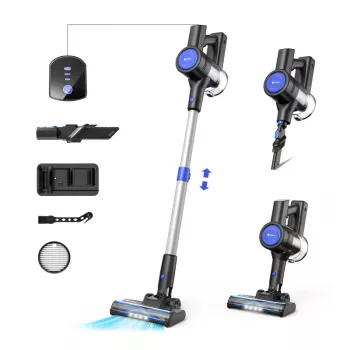
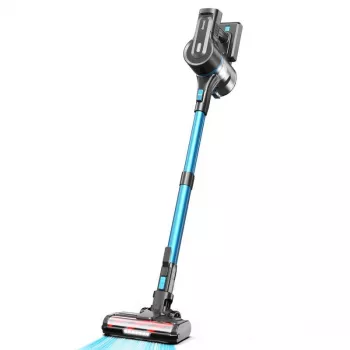
- Cordless Stick Vacuum Cleaner — a straightforward choice for fast pickups, routine maintenance, and easy storage.
- 5-Step Folding Dog Stairs for Cars — a practical add-on for pet owners; reducing jumping can also cut down on tracked-in debris and make car cleanups less frequent.
A Solid Option for Quick, Frequent Cleaning
FAQ
How long does a cordless stick vacuum cleaner typically run?
Runtime varies by battery capacity and the power mode used. Standard mode typically lasts much longer than boost mode, so it helps to reserve boost for problem areas and keep filters clean to reduce strain.
Can a cordless stick vacuum cleaner replace a full-size vacuum?
For many homes with hard floors and low-pile rugs, a cordless stick vacuum can handle the majority of cleaning. If you have thick carpet or want frequent deep-clean results, a stronger corded option or periodic deep-clean routine may still be useful.
How often should the filter be cleaned or replaced?
Follow the manufacturer’s schedule, but check filters more often with heavy use, pets, or lots of fine dust. Clean them when visibly dusty and replace them when worn or if odors persist, since clean filters help maintain suction.









Leave a comment