Adjustable Outdoor Stair Railing for 1–5 Steps (Wrought Iron)
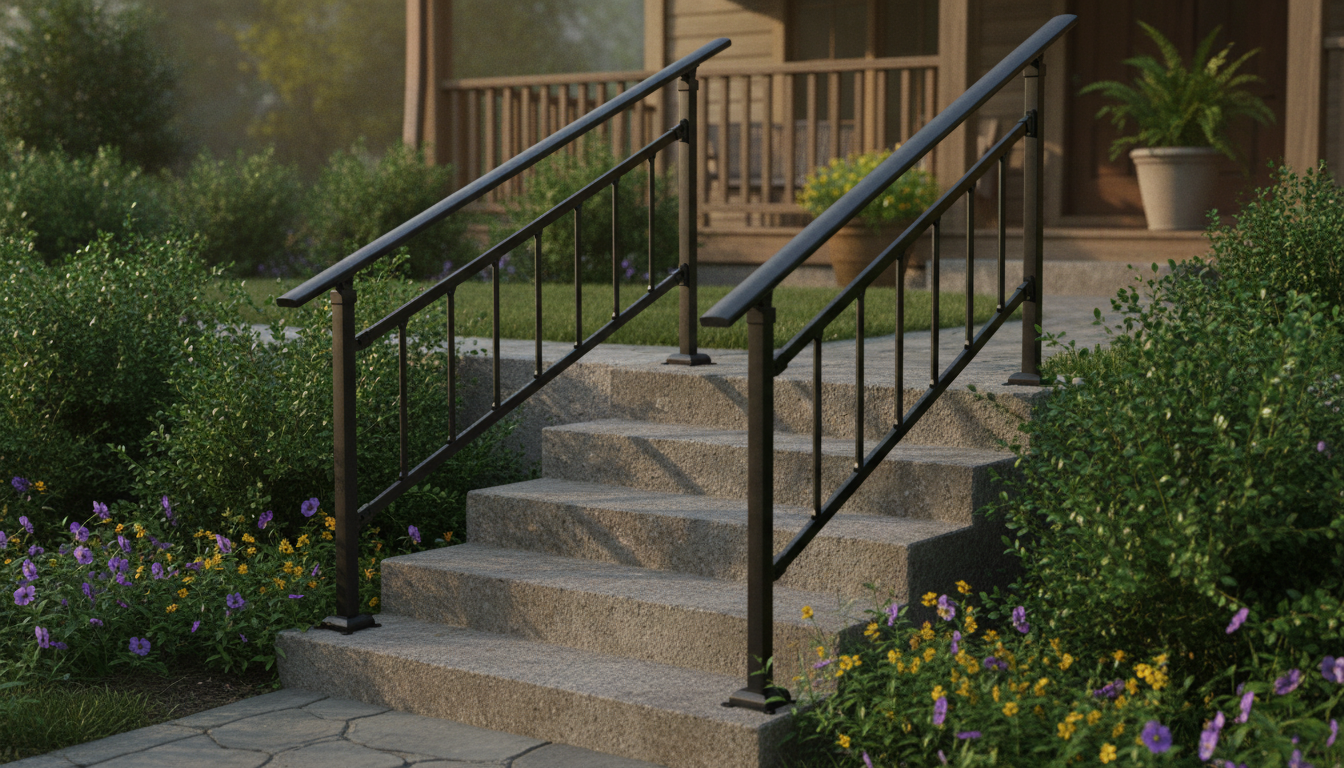
Outdoor Stair Railing for 1–5 Steps: Adjustable Heavy-Duty Wrought Iron Handrail
An outdoor stair railing adds stability on porches, entry steps, decks, and garden walkways—especially when surfaces are wet, icy, or uneven. An adjustable wrought iron handrail is designed to fit common step counts (1–5) while providing a durable, weather-ready grip point for everyday use. Whether you’re upgrading a front stoop or improving traction confidence on a backyard stair run, a solid handhold can make daily movement feel more secure for family members, guests, and delivery carriers alike.
Where an adjustable outdoor handrail makes the biggest difference
Even a small change in elevation can be a problem when visibility is low or when treads are slick. Adjustable rails are especially helpful in real-life areas where foot traffic is frequent and surfaces change with the seasons.
- Front porch steps and stoops where visitors may not expect a change in height
- Deck stairs and side entrances that get rain runoff or leaf buildup
- Garage-to-house steps with frequent traffic and hands full of packages
- Garden or patio steps where soil and moisture can make treads slippery
- Rental properties where a sturdy handhold can reduce slip-and-fall risk
For general safety planning and falls prevention, it can also help to review consumer guidance from the U.S. Consumer Product Safety Commission (CPSC).
What “adjustable for 1–5 steps” typically means
Step layouts aren’t always uniform across homes. “Adjustable for 1–5 steps” generally means the handrail is designed to accommodate a range of stair heights by changing its angle so it tracks the slope of the steps. That matters because a rail that’s too steep or too flat can feel awkward to grab—and can place stress on mounting points.
- The handrail’s angle can be set to match the slope of different stair runs rather than forcing a one-angle fit
- Mounting points are designed to align on varied step counts so the rail remains comfortable to grasp along the climb
- Best results come from measuring total rise/run and confirming the handrail length and bracket placement before drilling
- For very shallow single-step landings, adjustment helps keep the rail from sitting too steep or too flat
Quick measuring checklist before ordering/installation
| What to measure | How to measure | Why it matters |
|---|---|---|
| Number of steps | Count risers from bottom to top landing | Confirms the adjustment range needed (1–5) |
| Total rise | Measure vertical height from ground to top landing | Helps align the rail height and angle |
| Total run | Measure horizontal distance covered by the steps | Determines the slope the handrail must match |
| Mounting surface | Identify wood, concrete, brick, or composite | Impacts fasteners/anchors and long-term hold |
| Clearance space | Check door swing, trim, posts, and walkway width | Prevents interference and ensures a comfortable grip zone |
If you’re comparing layouts to common accessibility guidance, the ADA Standards for Accessible Design (Section 505 Handrails) is a helpful reference point, and building code requirements are commonly addressed through the International Residential Code (IRC) framework (always verify local code rules for your address).
Material and build: why wrought iron is chosen for outdoor steps
Outdoor railings live in a harsh environment: sun, water, freeze-thaw cycles, grit, and occasional impacts from shovels or moving furniture. Wrought iron is often selected because it tends to feel rigid and stable under hand pressure and holds its shape well across seasons.
- Rigid feel under load: heavy-duty metal construction reduces flex when pulled or leaned on
- Weather tolerance: coated wrought iron can resist rust better than untreated steel when maintained
- Impact resistance: less prone to cracking than many plastics/wood options when bumped or struck
- Classic appearance: works with brick, stone, concrete, and painted trim without looking temporary
- Low seasonal movement: less swelling/shrinking than wood in humid or freezing conditions
Choosing a coated finish and staying on top of small chips or scratches is key—most “rust problems” start at a tiny exposed spot that could have been sealed early.
Installation overview and mounting surface tips
Most homeowners focus on the rail itself, but long-term performance depends just as much on anchoring and placement. The goal is a natural hand path from the first step through the last without forcing anyone to reach too far or squeeze past the posts.
Comfort and safety details to look for in daily use
Care and maintenance for outdoor wrought iron railings
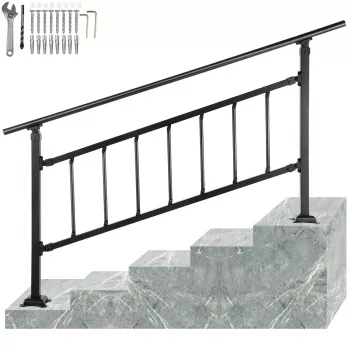
Product spotlight: adjustable heavy-duty outdoor stair railing for 1–5 steps
If you’re outfitting a porch, deck stair run, or side entrance with a dependable handhold, an adjustable rail can simplify fit across common step counts without sacrificing stability. The Outdoor Stair Railing – Adjustable Handrail for 1-5 Steps, Heavy-Duty Wrought Iron is designed to cover typical residential needs where weather exposure and daily traffic demand a sturdy build.
For pet owners who want safer step transitions in a different setting, consider pairing outdoor entry upgrades with vehicle-access support like the 5-Step Folding Dog Stairs for Cars for easier loading and unloading.
FAQ
Can an adjustable outdoor stair railing be installed on concrete steps?
Yes. Use concrete-rated anchors or concrete screws and drill with the correct masonry bit. Make sure the concrete is solid and avoid placing anchors too close to cracked edges.
How do you choose the right size handrail for 1–5 steps?
Count the risers, measure total rise and run, and confirm the railing’s adjustment range matches your stair angle. Also verify clearance from doors, trim, and the walking path so the rail stays comfortable to use.
How often should outdoor wrought iron railings be maintained?
Plan on light cleaning and a quick hardware check a few times per year, with touch-ups whenever coating chips appear. Do a more thorough inspection after winter to confirm base plates and anchors remain tight and flush.









Leave a comment