9-Cup 600W Food Processor: Slice, Shred & Knead Dough Fast
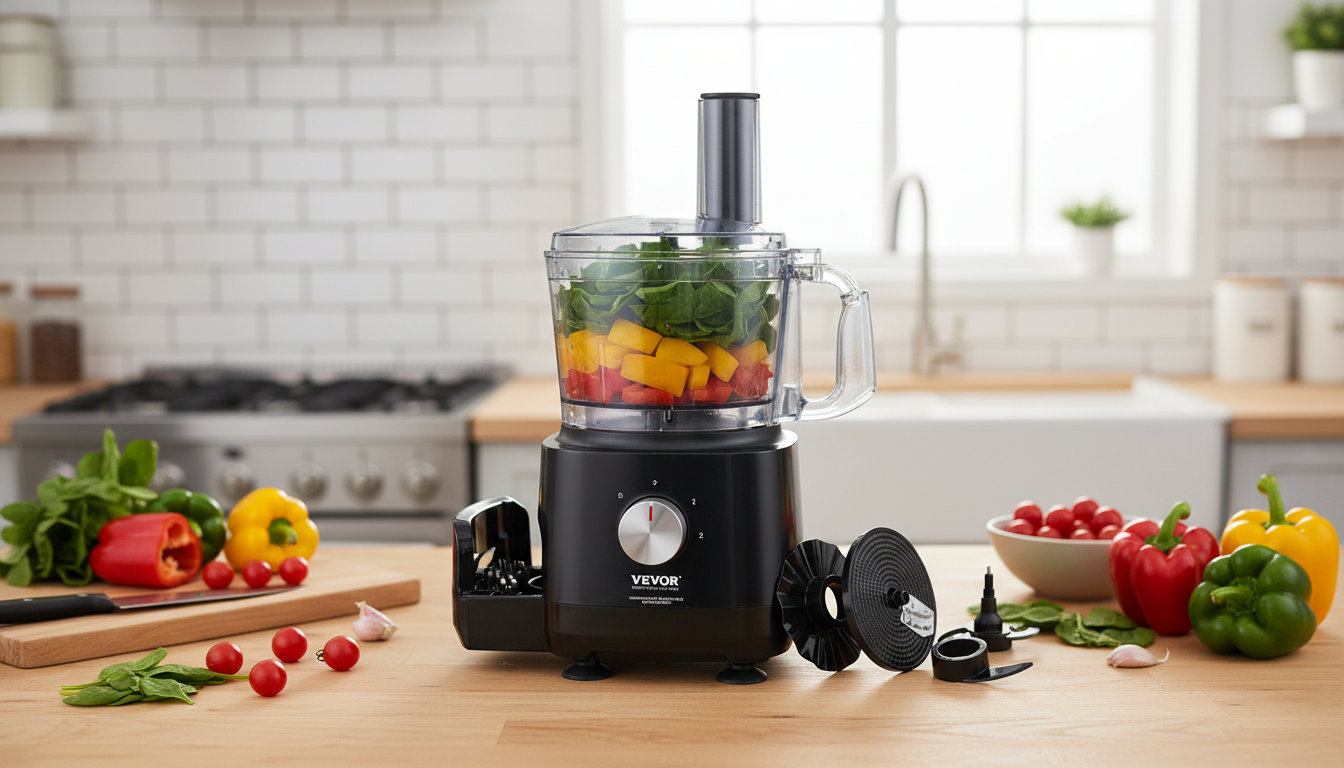
9-Cup Food Processor with 600W Motor: Fast Chopping, Clean Slices, and Capable Dough Kneading
A 9-cup food processor with a 600W motor can replace several prep tools at once—handling everyday chopping and slicing while also taking on heavier jobs like shredding and dough kneading. The sweet spot is versatility: enough bowl capacity for family-sized batches and enough power to push through firm vegetables, blocks of cheese, and colder pastry ingredients without constantly stopping to scrape and reset.
If you’re comparing sizes, a 9-cup bowl often lands in the “use it all week” range: big enough for meal prep, but not so large that it dominates the counter. For general buying considerations across brands and types, Consumer Reports maintains a helpful overview of what to look for in a food processor (Consumer Reports: Food Processor Buying Guide).
What this food processor is built to do
- Handles quick prep tasks: chopping onions, mincing garlic, pulsing nuts, and making crumbs.
- Creates uniform slices and shreds for salads, slaws, casseroles, and meal-prep containers.
- Supports dough kneading for pizza, rolls, and simple breads when paired with the right blade and batch size.
- Works well for sauces and dips such as pesto, hummus, salsa, and vinaigrettes.
- A 9-cup bowl size typically fits family-sized batches without taking up the footprint of extra-large units.
Power and capacity: what 600W and 9 cups mean in real use
A 600W motor is a practical step up from smaller mini-prep machines. In day-to-day cooking, that extra power shows up when you’re slicing dense produce (like sweet potatoes), shredding chilled cheese, or cutting cold butter into flour for biscuits and pie dough. You’ll still get the best results by working in sensible batch sizes and avoiding “pack it to the lid” loading.
A 9-cup work bowl usually suits moderate-to-large home tasks, such as a couple pounds of chopped vegetables, a generous batch of shredded cheese, or dough sized for a standard pizza or a small loaf (hydration and flour type matter). For longevity and texture, rely on pulses for chopping and use short runs for heavy mixtures rather than extended continuous mixing, which can warm ingredients—especially important for pastry dough and certain emulsions.
At-a-glance setup for common tasks
| Task | Suggested attachment | Technique | Result to watch for |
|---|---|---|---|
| Onions/garlic | Chopping blade | Pulse in short bursts | Even pieces without turning watery |
| Cucumbers/potatoes | Slicing disc | Steady feed pressure | Uniform thickness; avoid forcing |
| Cheese/carrots | Shredding disc | Chill ingredients first | Fluffy shreds; minimal clumping |
| Pizza dough | Dough blade | Mix until dough forms a ball | Stop once combined to avoid overworking |
Attachments and controls to look for during setup
Most 9-cup processors earn their keep through the right combination of blades, discs, and easy controls. Before the first use, confirm what’s included and how each piece locks in place.
- Chopping/multi-purpose blade: best for mince, chop, purees, nut butters, and crumb mixtures.
- Slicing disc: ideal for consistent rounds and half-moons for gratins, stir-fries, and salads.
- Shredding disc (if included): speeds up cheese, carrots, and potatoes for hash browns.
- Dough blade: designed to bring flour and liquid together quickly and knead briefly; avoid over-kneading in the bowl.
- Feed tube and pusher: use steady, even pressure to prevent wedging and uneven cuts.
- Speed/pulse controls: pulse for control, especially with onions, herbs, and chunky salsas.
Everyday ways to use it (beyond basic chopping)
A food processor shines when you string tasks together. Instead of stopping to wash a cutting board between steps, you can move from slicing to shredding to chopping in a single prep session—especially helpful for weeknight cooking.
- Meal prep in minutes: shred cabbage for slaw, slice peppers, and chop onions in one workflow.
- Baking shortcuts: cut cold butter into flour for biscuits and pie dough, then switch to the dough blade as needed.
- Quick sauces: pesto, romesco-style blends, chimichurri, and marinades come together fast. For pizza-night timing and dough handling ideas, see King Arthur Baking: Pizza Dough Tips and Techniques.
- Dips and spreads: hummus, bean dips, whipped feta, and flavored cream cheese.
- Health-focused prep: cauliflower rice (pulse), chopped salad bases, and finely chopped veggies for soups.
Tips for better results with slicing, shredding, and dough kneading
Cleaning, storage, and safety habits that make it easier to own
For a broader refresher on avoiding cross-contamination and keeping prep surfaces safe, the USDA Food Safety and Inspection Service provides clear, practical guidance.
Who this 9-cup, 600W style fits best
Product page and what to confirm before ordering
In-stock picks
- 9-Cup Food Processor with 600W Motor for Chopping, Slicing & Dough Kneading
- 5-Step Folding Dog Stairs for Cars
- Kids Wooden Tool Bench Set
FAQ
Can a 600W food processor knead pizza dough?
Yes for typical home batches. Use the dough blade, add liquids gradually, and stop once the dough forms a ball so you don’t overheat or over-knead the dough.
How much can a 9-cup bowl handle for slicing and shredding?
It generally handles family-sized prep best in moderate loads. Leave some headroom so ingredients circulate properly, which helps produce more even slices and shreds.
Why do onions turn watery in a food processor?
Over-processing (especially continuous running) ruptures more onion cells and releases more liquid. Use short pulses and stop as soon as the pieces reach the size you want.








Leave a comment