1080P Night Vision Binoculars: 5X Zoom & IR Tips
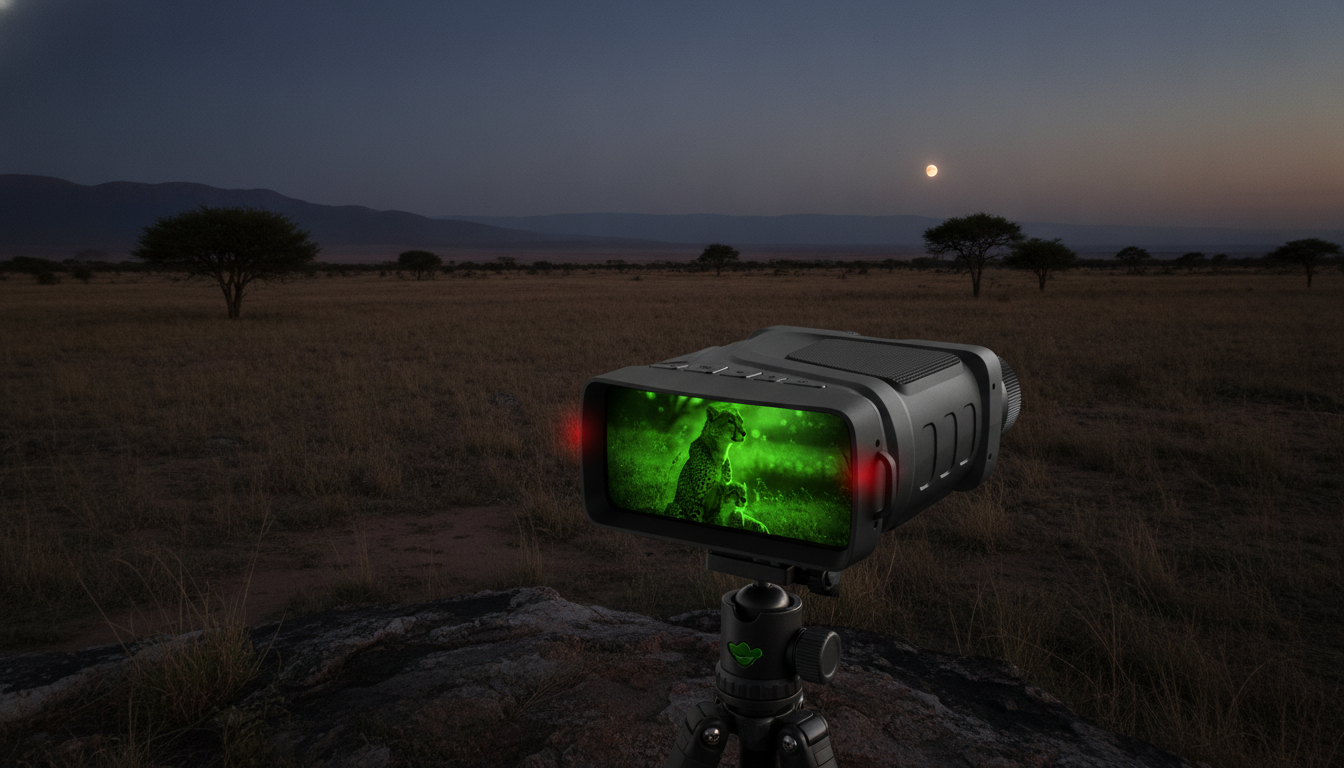
1080P Night Vision Binoculars with 5X Digital Zoom & Infrared Light: What to Expect After Dark
Seeing clearly after dark is easier with a compact night-vision setup that balances image clarity, zoom reach, and infrared illumination. If you’re checking a back fence line, scanning a wooded trail, or watching nocturnal wildlife from camp, the right combination of resolution, zoom, and IR strength makes a noticeable difference. This guide explains what 1080P recording, 5X digital zoom, and adjustable infrared light mean in real use—plus practical tips to get a cleaner image when the sun is gone.
What these night vision binoculars are designed to do
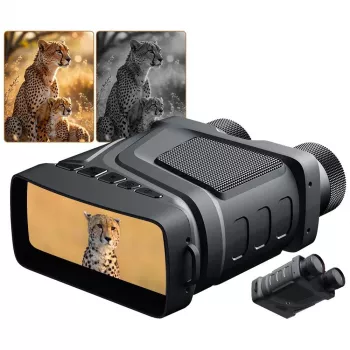
Night vision binoculars like the 1080P Night Vision Binoculars with 5X Digital Zoom & Infrared Light are built for situations where traditional optics fall short. Instead of relying on visible light, they use an infrared (IR) illuminator to “light up” the scene for the device’s sensor—making viewing possible in low-light and even no-light conditions.
- Support viewing and recording in low-light and no-light environments using infrared illumination.
- Capture video and photos in 1080P for clearer playback than basic VGA/720P devices.
- Provide quick magnification changes with 5X digital zoom for checking details at moderate distances.
- Fit common use cases like nighttime wildlife observation, property monitoring, camping, and travel.
If you’re new to night vision, it helps to remember that these devices are about visibility and documentation, not “daylight clarity.” Scene conditions (humidity, distance, reflective surfaces, and movement) heavily influence what you see and what your recordings capture.
Core features that matter in real conditions
1080P video for better review later
1080P recording is most valuable after the moment has passed—when you replay footage to confirm what moved near the treeline or to identify the shape and path of an animal. Higher resolution won’t magically remove haze or motion blur, but it can preserve more scene context and reduce the “blocky” look common in lower-resolution recordings.
5X digital zoom for quick checks
Digital zoom enlarges what’s already captured by the sensor. It’s convenient for enlarging a subject on-screen, but it also magnifies hand shake and can soften fine details. For the best results, frame your subject first, stabilize your grip, then apply zoom in small steps.
Infrared light for true darkness
Infrared illumination is the core of no-light performance. Higher IR levels typically reveal more detail at longer distances, but they can shorten battery life and may wash out nearby objects. For a quick primer on the science behind IR, see Britannica’s overview of infrared radiation.
Day-to-night flexibility and portable handling
Many outings involve mixed lighting—dusk, shadowed trails, dim campsites, or a yard with uneven porch lighting. A compact binocular-style device is easier to pack than bulky scopes, making it practical for quick checks, short observation sessions, and travel where space matters. For background on how night-vision imaging concepts work in general, NOAA offers a helpful starting point at NOAA.gov.
Feature-to-benefit quick guide
| Feature | Why it helps | Best used for |
|---|---|---|
| 1080P recording | Clearer playback and easier detail review | Wildlife clips, security checks, trail documentation |
| 5X digital zoom | Enlarges distant subjects on-screen | Spotting movement, confirming objects |
| Infrared light | Enables viewing in darkness | No-light yards, wooded trails, nighttime observation |
| Compact binocular design | More convenient to carry and store | Camping, travel, quick patrols |
How to get a clearer image at night
Small adjustments matter more at night than during daytime viewing. Use these techniques to improve clarity and reduce the “muddy” look that can happen when IR is too strong or the device isn’t stable.
- Start with low IR and increase only as needed: Excessive IR can reduce perceived contrast in some scenes, especially at close range.
- Stabilize the binoculars: Brace elbows against your torso, lean on a tree, or rest on a railing. If your unit supports it, a tripod or monopod can dramatically improve perceived sharpness.
- Zoom after framing: Center your subject first, then use digital zoom. Zooming too early makes it harder to keep the subject in view.
- Avoid shooting through glass: Car windows and household windows can cause reflections and glare that degrade night-vision clarity.
- Scan slowly: Fast panning can blur details and make it harder to track animals or verify movement near property lines.
A practical routine is to scan wide at low zoom, pause when you detect motion, stabilize your stance, then increase zoom and IR only to the point where details improve.
Best-fit scenarios
Wildlife observation
Home and property checks
Camping and hiking
Travel and outdoor events
Care, storage, and safety basics
Product snapshot
| Item | Detail |
|---|---|
| Product | 1080P Night Vision Binoculars with 5X Digital Zoom & Infrared Light |
| Price | $51.51 USD |
| Availability | In stock |
More in-stock picks (also available)
- 5-Step Folding Dog Stairs for Cars (portable help for vehicle entry)
- Kids Wooden Tool Bench Set (hands-on play and learning)
- Personalized Balloon Letter Necklace (custom gift option)
FAQ
Do infrared night vision binoculars work in complete darkness?
Yes, as long as the infrared illuminator is enabled. The IR light provides illumination the sensor can detect, and results vary based on distance, what the surface reflects, and the IR strength level you select.
Is 5X digital zoom the same as optical zoom?
No. Digital zoom enlarges (crops) the existing image, which can reduce visible detail compared to true optical magnification; stabilizing the binoculars helps the zoomed view look sharper.
Can these be used for wildlife watching without scaring animals?
Often yes, because infrared isn’t a bright visible beam like a standard flashlight. However, some animals may notice a faint glow from the IR emitter at close range, so it’s smart to use the lowest effective IR level and observe from a comfortable distance.








Leave a comment