Semi-Auto Espresso at Home: 15-Bar & Milk Frother Tips
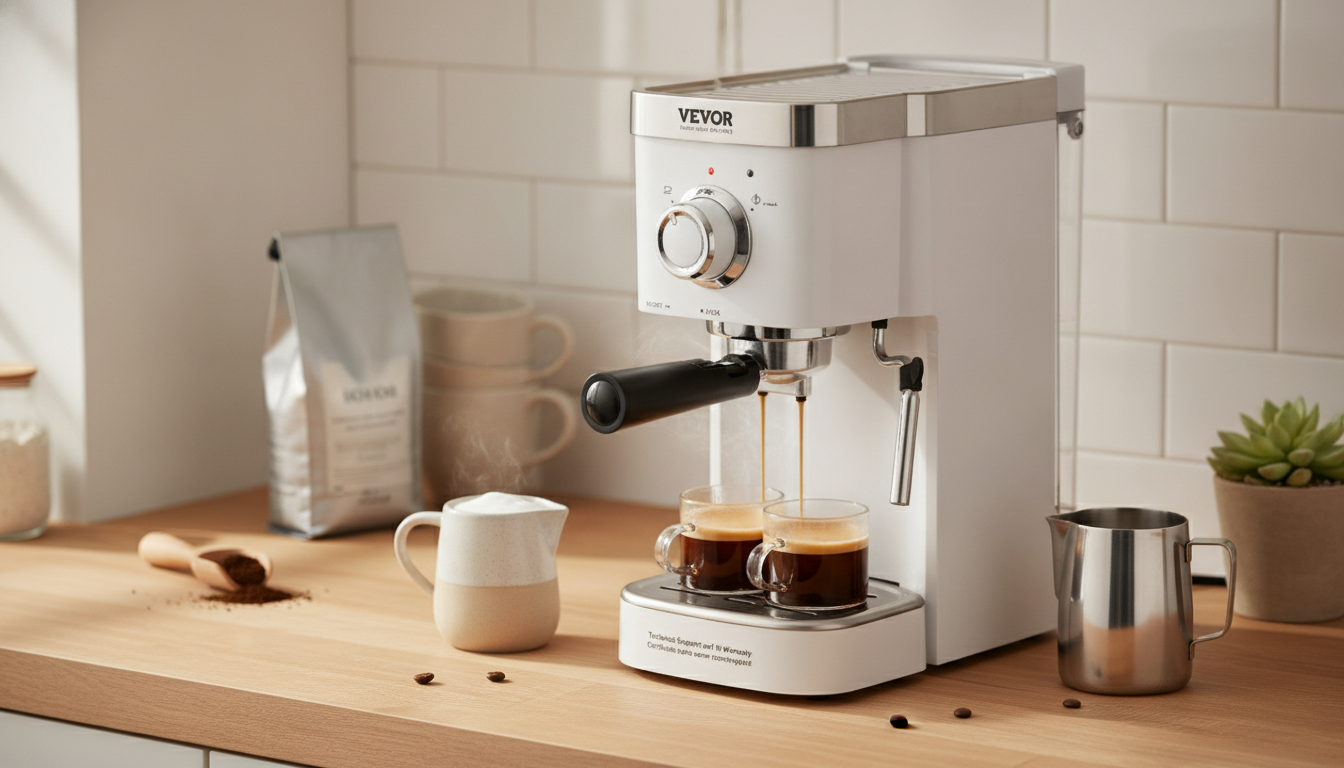
Bar-Style Semi-Automatic Espresso at Home: Control Without the Café Line
A bar-style semi-automatic espresso machine with a milk frother brings hands-on control to a home countertop without forcing a fully manual workflow. With a 15-bar pump supporting espresso-style pressure and a steam wand for textured milk, it can deliver the building blocks for cappuccinos, lattes, macchiatos, and mochas—so long as the routine stays consistent. Below is a practical guide to what “semi-automatic” really means, which features matter most, how to dial in shot flavor, and how to create smooth microfoam that tastes sweet and pours cleanly.
What “semi-automatic” means in a bar-style setup
In a semi-automatic workflow, the machine handles the mechanical heavy lifting—pressurizing water and heating—while the user shapes the results through repeatable choices. That “middle ground” is the appeal: you get café-style influence where it counts without needing to manage every variable like a lever machine.
- Manual influence where it counts: grind size, dose, tamp, shot timing, and milk texture are guided by the user rather than fully automated programs.
- Pump-driven extraction: the machine builds pressure while you control start/stop of the shot (varies by model) and the steaming process.
- Great for learning routines: small tweaks to grind and timing can noticeably change sweetness, bitterness, and crema.
- Milk frother expands options: beyond straight espresso, a steam wand supports cappuccinos, lattes, flat white-style drinks, and hot milk for mochas.
Core features that affect espresso quality and milk texture
Specs don’t guarantee great espresso, but they can make consistency easier—especially around pressure, heat, and steam. The goal is to remove avoidable friction: stable temperature, easy prep, and a wand that’s comfortable to position.
- 15-bar pump pressure: supports espresso-style extraction; results still depend heavily on fresh coffee, correct grind, and puck preparation.
- Heating system and warm-up: stable heat helps avoid sour (too cool) or harsh (too hot) shots; allow time for the machine and portafilter to warm.
- Portafilter and basket fit: consistent dosing and even tamping reduce channeling and improve crema appearance and mouthfeel.
- Steam wand control: controllable steam and a tip/angle that helps create a whirlpool can make microfoam smoother and more pourable.
- Water reservoir access: easy filling encourages using fresher water and routine cleaning, protecting flavor.
- Drip tray clearance: enough space for cups and smaller latte glasses makes daily use less awkward and less messy.
Quick checklist: what matters and why
| Feature | Why it matters | Practical target |
|---|---|---|
| Pump pressure (15 bar) | Helps drive water through a properly prepared puck | Pair with fine espresso grind and firm, level tamp |
| Heat stability | Improves consistency between shots | Preheat machine and portafilter; avoid rushing first shot |
| Steam wand control | Determines foam quality for latte art-like texture | Aim for smooth microfoam, not stiff bubbles |
| Reservoir & cleanup access | Affects maintenance and taste over time | Easy-to-remove parts for frequent rinsing and descaling |
| Cup clearance & tray design | Prevents spills and awkward handling | Room for espresso cups and small milk pitchers |
Dialing in espresso at home (simple routine that works)
Consistent espresso is mostly a method: choose a baseline, change one variable at a time, and use taste to guide the next adjustment. A timer helps, but flavor is the final judge.
If you’re building a compact home bar, start with a dependable machine and focus your effort on repeatability. The 15-Bar Semi-Automatic Espresso Machine with Milk Frother fits that approach: dial in a grind, keep your dose steady, and let the pump and heat do their job while you refine timing and milk texture.
Using the milk frother: microfoam steps for cappuccinos and lattes
For food safety when handling milk at home—especially if you’re steaming multiple drinks—follow solid kitchen practices and refrigeration guidance from the FDA.
Drink build guide: café-style ratios without guesswork
For broader brewing fundamentals and consistency tips, the National Coffee Association’s brewing basics is a helpful reference point for water, freshness, and technique.
Care and cleaning that protects flavor (daily, weekly, monthly)
Keeping tools organized makes routine care easier. A basic household kit can be handy for small fixes and quick adjustments around the kitchen—consider the 96 Piece Household Tool Kit as a practical add-on for a home setup.
A practical pick for a compact home bar
To get the most out of the setup, pair the machine with an espresso-capable grinder, a small milk pitcher, and (optionally) a thermometer to avoid overheating milk. If you’re ready to start pulling café-style drinks at home, the 15-Bar Semi-Automatic Espresso Machine with Milk Frother is a straightforward entry point for bar-style brewing.
For deeper standards and research around coffee preparation and quality, the Specialty Coffee Association (SCA) offers ongoing industry education and resources.
FAQ
Is 15 bar enough for good espresso at home?
Yes—15 bar pump pressure can support espresso-style extraction, but flavor depends more on fresh coffee, an espresso-fine grind, consistent dose/tamp, and stable temperature. The biggest improvements usually come from dialing in grind and timing, not chasing higher pressure.
How do you froth milk without making big bubbles?
Keep the wand tip just under the surface briefly to add a little air (stretching), then submerge slightly and create a whirlpool to fully integrate the foam (texturing). Stop before the milk scalds, then tap and swirl the pitcher to polish out lingering bubbles.
How often should a semi-automatic espresso machine be descaled?
It depends on water hardness and how often the machine is used, so follow the manufacturer’s guidance as a baseline. If you notice slower heating, reduced flow, or inconsistent temperatures, scaling may be building up sooner; filtered water typically reduces how often descaling is needed.






Leave a comment