537Wh Solar Generator: Real Runtimes for Backup & Off‑Grid
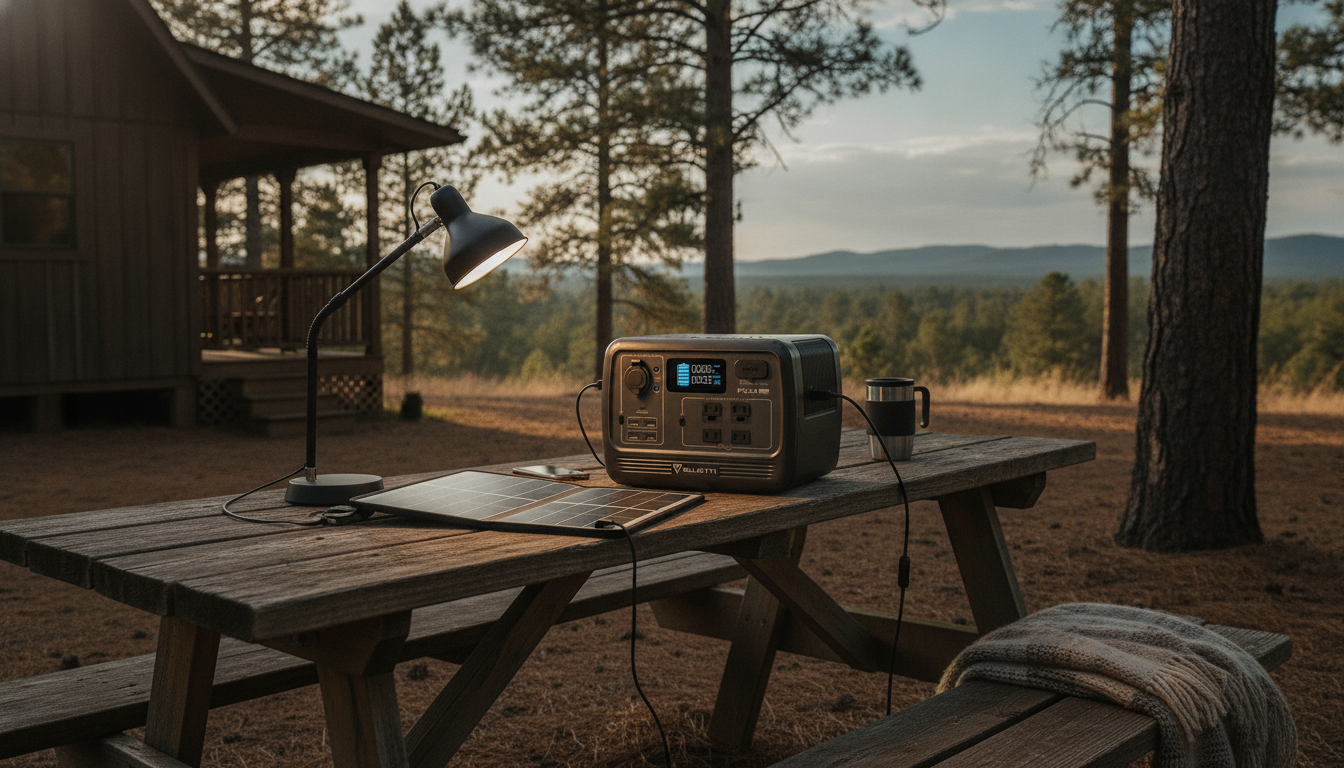
Practical Power From a 537Wh Solar Generator
A mid-size solar generator is a smart middle ground: more capable than pocket power banks, but simpler and more portable than whole-home battery systems. In the 537Wh class, you can keep everyday essentials running through short outages, maintain communication and lighting, and add real comfort to off-grid weekends—without noise or fumes.
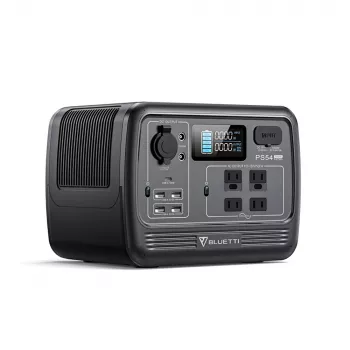
If you’re shopping for a reliable option in this size range, consider the 537Wh Solar Generator for Home Backup and Off-Grid Living. For families, pairing your power plan with low-power “offline activities” can also help; the Kids Wooden Tool Bench Set is a screen-free way to stay busy when the internet is down or you’re conserving battery.
What a 537Wh Solar Generator Is Best For
A 537Wh power station shines when you treat it like an “essentials engine,” not a full-home replacement. Typical best uses include:
- Keeping critical low-to-moderate wattage devices running: phones, laptops, a Wi‑Fi router, LED lights, small fans, and certain medical devices with modest draw (always confirm wattage on the device label).
- Managing short outages by prioritizing what matters most—communication, light, and comfort—rather than attempting whole-home coverage.
- Supporting off-grid living needs like campsite lighting, charging camera batteries, topping off tool batteries, or powering small electronics in a cabin/van setup.
- Providing quiet, indoor-safe backup power (no exhaust) as an alternative to small gas generators, which must be used outdoors.
Runtime Expectations: Converting Watt-Hours Into Real Use
Understanding runtimes starts with two numbers:
- Watt-hours (Wh): how much energy the battery stores.
- Watts (W): how fast a device uses energy while running.
A quick, realistic rule of thumb accounts for conversion losses from the battery to your device (inverter and electronics overhead). Use:
Runtime (hours) ≈ Battery Wh × 0.85 ÷ Device W
That 0.85 factor is a practical average—your results will vary with temperature, inverter efficiency, and how “spiky” the load is.
Also note that many high-watt appliances—space heaters, hair dryers, kettles, and many microwaves—can drain a mid-size unit quickly and may exceed inverter limits. For planning, list your essentials and rotate loads instead of trying to run everything at once.
Example runtimes from a 537Wh class power station (approx.)
| Device | Typical draw (W) | Estimated runtime |
|---|---|---|
| Smartphone charging (via adapter) | 10 | ≈45 hours of charging time |
| LED light strip / lamp | 8 | ≈57 hours |
| Wi‑Fi router | 12 | ≈38 hours |
| Laptop (average use) | 60 | ≈7.6 hours |
| CPAP (no heated humidifier) | 40 | ≈11.4 hours |
| Small fan | 25 | ≈18.3 hours |
| Mini fridge (average, cycling) | 60 | ≈7.6 hours (varies widely) |
Solar Recharging and Daily Energy Planning
Solar recharging is incredibly useful, but it’s not a fixed number. Input depends on panel wattage, peak sun hours, panel angle, temperature, controller efficiency, and—most importantly—shading. Even a small shadow across a panel can cut output dramatically.
- Treat solar as a series of daily “top-ups,” not guaranteed full refills.
- Plan for the least-sunny conditions you expect (storms, winter sun angles, tree cover).
- Whenever possible, run some loads during the day while the panel is producing, and save stored energy for evening and overnight.
For a solid overview of how solar production varies in real life, the U.S. Department of Energy’s primer is a helpful reference: Solar Energy Basics.
Home Backup Setup: A Simple Essentials-First Checklist
A calm, repeatable plan beats a last-minute scramble. Set up your 537Wh solar generator so it’s ready to grab and run.
- Identify essentials: phone charging, a light source, internet (if the service is up), and a small fan or medical device as needed.
- Pick a safe spot: accessible, dry, and away from clutter; keep cords organized so you’re not hunting for cables in the dark.
- Test monthly: plug in your router, lamp, and charging kit for a quick functionality check.
- Go efficient: LED lighting and direct USB/DC charging usually stretch stored energy further than running AC adapters.
- Keep a storm kit nearby: charging cables, headlamp, spare fuses (if your setup uses them), and a written “load plan” that lists priorities and estimated runtimes.
If you’re building an outage plan for your household, Ready.gov offers practical guidance to align your gear with emergency basics: Ready.gov — Power Outages.
For refrigerator support, a 537Wh unit can help, but it requires attention: monitor power draw if you can, keep doors closed, and consider intermittent operation if appropriate. For food-safety timing and temperature rules, refer to the FDA’s official recommendations: FDA — Food Safety During Power Outage.
Off-Grid Living Tips: Comfort Without Overloading
Off-grid success is about habits as much as hardware. A 537Wh class generator can feel “big” when you use it strategically.
Safety, Battery Care, and Longevity
Who This 537Wh Class Generator Fits (and Who Should Size Up)
FAQ
How long will a 537Wh solar generator run a refrigerator?
It varies widely based on your fridge’s efficiency and how often the compressor cycles, but a rough planning figure is a few to several hours if the average draw is around 60–100W. For accuracy, measure your refrigerator with a plug-in power meter and consider intermittent operation while keeping food-safety guidance in mind.
Can a solar generator be used indoors during a power outage?
Yes—battery-based solar generators produce no exhaust, so they’re generally safe to use indoors. Keep the unit dry, allow ventilation for heat, and manage cords to prevent tripping or overheating; unlike gas generators, there’s no need for outdoor placement to avoid fumes.
What size solar panel is practical for recharging a 537Wh unit?
A 100W panel can work for slower replenishment, while 200W (or more, if supported) is often more practical for meaningful daily top-ups. Real-world charging is typically lower than the panel’s rating due to sun angle, temperature, shading, and conversion losses, so plan with extra margin.









Leave a comment