27FT Manual Pole Saw: High Branch Trimming Guide
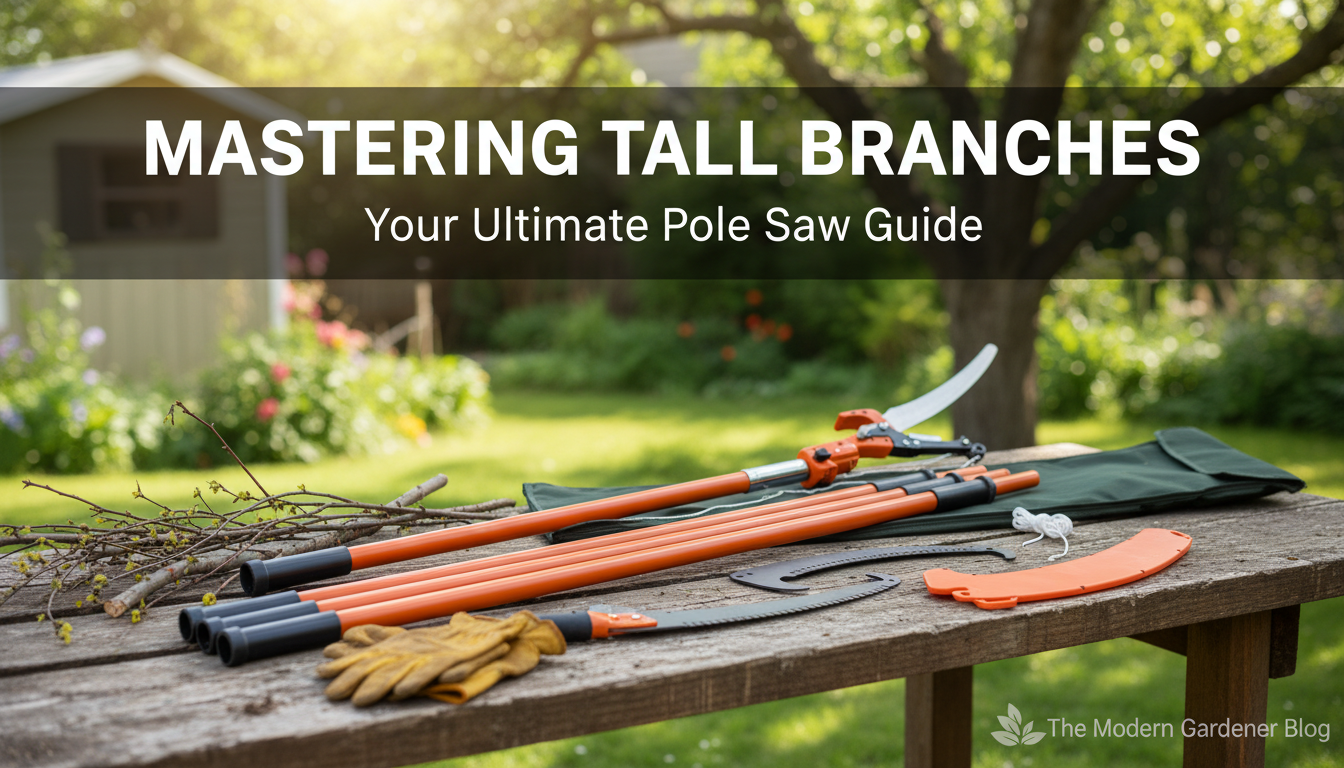
27FT Extendable Manual Pole Saw for High Branch Trimming
A long-reach manual pole saw makes it possible to trim high branches from the ground with more control and less noise than powered tools. A 27-foot extendable pole is especially handy for seasonal pruning, storm cleanup, and shaping trees around homes—without the constant ladder repositioning that can slow a job down. The key is choosing a pole saw that stays stable at height, then using sound pruning technique so cuts are clean and trees recover well.
What a 27-foot extendable manual pole saw is best for
A tall, manual pole saw shines when the goal is controlled trimming rather than rapid removal. It’s a practical tool for homeowners who want reach and precision without the weight, noise, and upkeep of a motor.
- Reaching overhead limbs from the ground for light-to-moderate pruning and storm cleanup
- Trimming over roofs, fences, and garden beds where ladder placement is difficult
- Reducing overhead weight on young trees by removing small competing branches
- Quiet, fuel-free cutting for neighborhoods and early-morning yard work
- Occasional property maintenance where a powered pole saw would be overkill
Key features to prioritize in a long-reach manual pole saw
Not all long poles feel the same at full extension. A few design details make a big difference in how accurately the blade tracks and how tiring the work becomes overhead.
- Extension range: enough reach to keep feet on the ground while still accessing target limbs
- Pole rigidity: stiffer poles feel more controllable at full extension and reduce whip
- Secure locking mechanism: strong locks prevent slipping while pulling or sawing
- Blade quality: hardened steel with a sharp, aggressive tooth pattern improves speed and reduces binding
- Grip and control: non-slip sections or handles for better leverage during overhead pulls
- Weight and balance: manageable total weight for sustained overhead work without excessive fatigue
- Serviceability: replaceable blade and readily available spare parts or sharpening access
If ladder work is unavoidable for a particular cut, follow established ladder guidance such as OSHA’s ladder safety standard (OSHA — Ladder Safety) and avoid overreaching.
Product snapshot: 27FT Extendable Manual Pole Saw
For homeowners who want long reach and manual control, the 27FT Extendable Manual Pole Saw is designed for overhead branch removal from ground level. Manual operation keeps the pace deliberate—useful when trimming near gutters, siding, fencing, or landscaped areas where you want to avoid sudden kick, noise, or exhaust.
- Designed for extended reach pruning and overhead branch removal from ground level
- Manual operation helps maintain precise control when working near property features
- Useful for seasonal pruning, shaping, and clearing small-to-medium limbs
- Current listing: in stock
| Item | Detail |
|---|---|
| Product | 27FT Extendable Manual Pole Saw |
| Availability | In stock |
| Price | 108.32 USD |
| Product page | View product |
How to use an extendable manual pole saw effectively
High-branch trimming is safer and cleaner when the work is planned. A small change in position or extension length can reduce binding and improve accuracy.
- Plan the cut: identify the branch collar and target a clean cut outside the collar rather than flush to the trunk.
- Stabilize the stance: feet shoulder-width apart; keep the cutting path clear of people and breakables.
- Extend only as needed: shorter length increases control; extend incrementally as the work moves higher.
- Use controlled strokes: steady pull/saw motions reduce binding and keep the blade tracking straight.
- Manage branch drop: anticipate swing and bounce; avoid cutting directly above head, vehicles, or windows.
- For larger limbs: use a notch/relief cut technique where appropriate to reduce tearing before final separation.
A helpful reference for timing and general pruning approach is the International Society of Arboriculture’s guidance (International Society of Arboriculture — Tree Pruning Guide).
Safety essentials for overhead trimming
A pole saw keeps you off a ladder in many situations, but the work is still overhead and unpredictable. Prioritize protective gear, a clear work zone, and stable conditions.
Getting clean cuts: pruning basics that protect tree health
For more species-specific pruning considerations, many homeowners rely on resources like university extension publications (see University of Florida IFAS Extension — Pruning Landscape Trees and Shrubs).
Manual vs powered pole saws: when manual wins
| Factor | Manual pole saw | Powered pole saw |
|---|---|---|
| Best for | Routine pruning, controlled trimming | Faster removal of thicker limbs |
| Noise | Low | Medium to high |
| Maintenance | Sharpen/clean blade | Battery/fuel, chain/bar care, motor upkeep |
| Control | High precision, slower pace | Fast cutting, more kick/torque |
| Typical cost of ownership | Lower | Higher |
Care and maintenance for long service life
More in-stock picks
FAQ
How thick of a branch can a manual pole saw cut?
It depends on the blade design and how much control you can maintain at your working height. Small-to-medium limbs are typical; thicker branches get slow and may require staged cuts (or a different tool) to avoid tearing and binding.
Is it safe to use a 27-foot pole saw at full extension?
It can be safe if the pole remains stable, conditions are calm, and you keep a clear drop zone while wearing PPE. Extend only as much as necessary, watch for excess flex and fatigue, and stop immediately if the tool feels unstable or difficult to control.
How do you keep a pole saw blade from binding in the cut?
Use steady, straight strokes and avoid twisting the pole, which pinches the kerf. Keeping the blade sharp and clean of sap, and cutting in stages on heavier limbs, also helps prevent the wood from closing on the blade.











Leave a comment