Adjustable Floor-to-Ceiling Cat Tree Tower: Setup & Safety
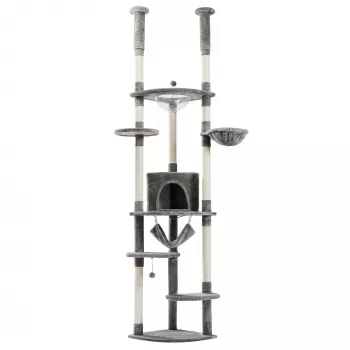
Adjustable Floor to Ceiling Cat Tree Tower
A floor-to-ceiling cat tree tower turns vertical space into a climbing lane, lookout point, and scratching zone—without taking up much floor area. An adjustable, tension-style design is especially useful for apartments and multi-cat homes because it can be set to the room height and positioned near windows or social spaces where cats like to perch.
If you’re shopping for a space-smart upgrade, the Adjustable Floor to Ceiling Cat Tree Tower offers a tall, dedicated “cat zone” that can help redirect scratching, add exercise, and create calmer routines indoors.
Why a Floor-to-Ceiling Tower Works So Well Indoors
Cats naturally look for height. A vertical tower gives them a consistent way to climb, stretch, and settle above household traffic—behaviors that support confidence and reduce boredom.
- Creates a tall, climbable route that supports natural behaviors: climbing, perching, scratching, and surveying.
- Helps reduce conflicts in multi-cat homes by adding vertical “lanes” and separate resting spots.
- Uses a small floor footprint while increasing usable territory—helpful for compact rooms.
- Can be placed to give a view of the room or a window, encouraging calm lounging and engagement.
For more on why enrichment matters for indoor cats, see guidance from International Cat Care and the ASPCA cat care resources.
Key Features to Look For
Not all adjustable towers feel the same once installed. Focusing on fit and stability first usually leads to better long-term use (and fewer “launch-and-wobble” moments).
- Height adjustability range: Match the tower’s range to your ceiling type and your room’s measurement (account for baseboards and uneven floors).
- Stable base and reliable top contact: Tension systems should feel firm with no wobble when pushed from the side.
- Platform spacing: Smaller cats often prefer closer spacing; athletic jumpers may like slightly bigger gaps.
- Scratch-friendly surfaces: Sisal or similar material placed where cats naturally reach during stretching.
- Easy-to-clean design: Wipeable surfaces and removable cushions help with odor control and shedding.
Fit, Placement, and Setup Tips
Most “tower problems” come down to measuring, placement, or the first week of introduction. A few small choices up front can make the tower feel like part of the home rather than a new object to ignore.
- Measure at the exact spot: Floor-to-ceiling height can vary across a room—especially in older homes.
- Choose a high-value view: A window-adjacent placement often wins, but avoid blocking blinds/curtains or creating access to fragile shelves.
- Keep clear of hazards: Leave safe clearance from ceiling fans, hanging lights, and wall-mounted TVs.
- Improve grip on slick floors: A non-slip mat under the base can reduce drift and protect flooring.
- Introduce gradually: Add a familiar blanket on a mid-level perch and use treats or catnip to guide exploration.
Quick Comparison Checklist
Use this checklist to confirm the tower matches the home’s ceiling, the cat’s mobility needs, and available space. A taller tower benefits confident climbers, while extra intermediate steps help kittens, seniors, and heavier cats. If your cats tend to sprint and leap onto their furniture, prioritize stability over maximum height.
Floor-to-Ceiling Tower Checklist
| What to Check | Why It Matters | What to Confirm Before Buying/Installing |
|---|---|---|
| Ceiling height compatibility | A secure, wobble-free fit | Minimum/maximum adjustment range covers the measured height |
| Platform spacing | Comfortable jumps and safe climbing | At least one route with shorter steps for less agile cats |
| Base footprint | Room flow and stability | Fits without blocking doors/vents; sits flat on the floor |
| Scratch zones | Protects furniture by redirecting scratching | Sisal or scratchable material placed at stretch height |
| Cleaning/maintenance | Reduces odor and fur buildup | Wipeable surfaces; fabric parts that can be cleaned |
Safety and Stability Considerations
A tension-fit tower can be very secure when installed correctly, but it should be treated like any tall piece of cat furniture: stable, checked periodically, and positioned to prevent risky launches.
- Install only against a solid ceiling surface; avoid weak ceiling tiles or unstable panels.
- Re-check tightness after the first 24–48 hours as materials settle, then periodically (especially when seasons change).
- Position so cats don’t need to jump from unstable objects (rolling chairs, narrow shelves) to reach the first platform.
- For very high perches, keep a clear landing area below to reduce injury risk if a cat slips.
- If the tower includes toys on strings, supervise initially and remove or shorten anything that could tangle.
Keeping Cats Interested Long-Term
Recommended Picks (In Stock)
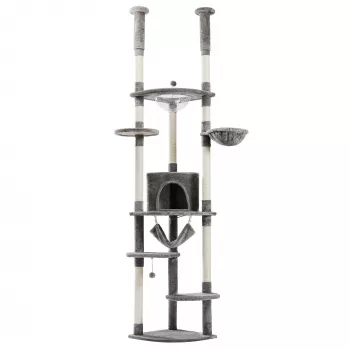
- Adjustable Floor to Ceiling Cat Tree Tower — A vertical option for adding climb space without a large footprint, ideal near social areas or windows.
- 5-Step Folding Dog Stairs for Cars — A practical add-on for multi-pet households, especially for supporting safer ups/downs for dogs on trips or at the car.
Adjustable Floor to Ceiling Cat Tree Tower: At-a-Glance
FAQ
Will an adjustable floor-to-ceiling cat tower damage the ceiling?
When installed correctly on a solid ceiling surface, a tension-fit tower typically uses contact points designed to distribute pressure. Use any included protective pads if provided, avoid delicate ceiling tiles, and re-check tightness after the first day or two as materials settle.
Where should a floor-to-ceiling cat tree be placed?
Place it near a window or in a common room area where your cat already likes to hang out, while keeping clear of ceiling fans and hanging lights. Ensure there’s open landing space and that the tower doesn’t create access to fragile shelves or items you don’t want explored.
Is a tall cat tower safe for kittens or senior cats?
Yes, as long as there’s an easy climbing route with closer platform spacing and a stable, non-slip setup. Consider adding intermediate steps (or positioning next to low, sturdy furniture as a starter), and supervise early use until you’re confident your cat moves comfortably.








Leave a comment