15-Function Automatic Bread Maker with Gluten-Free Cycle
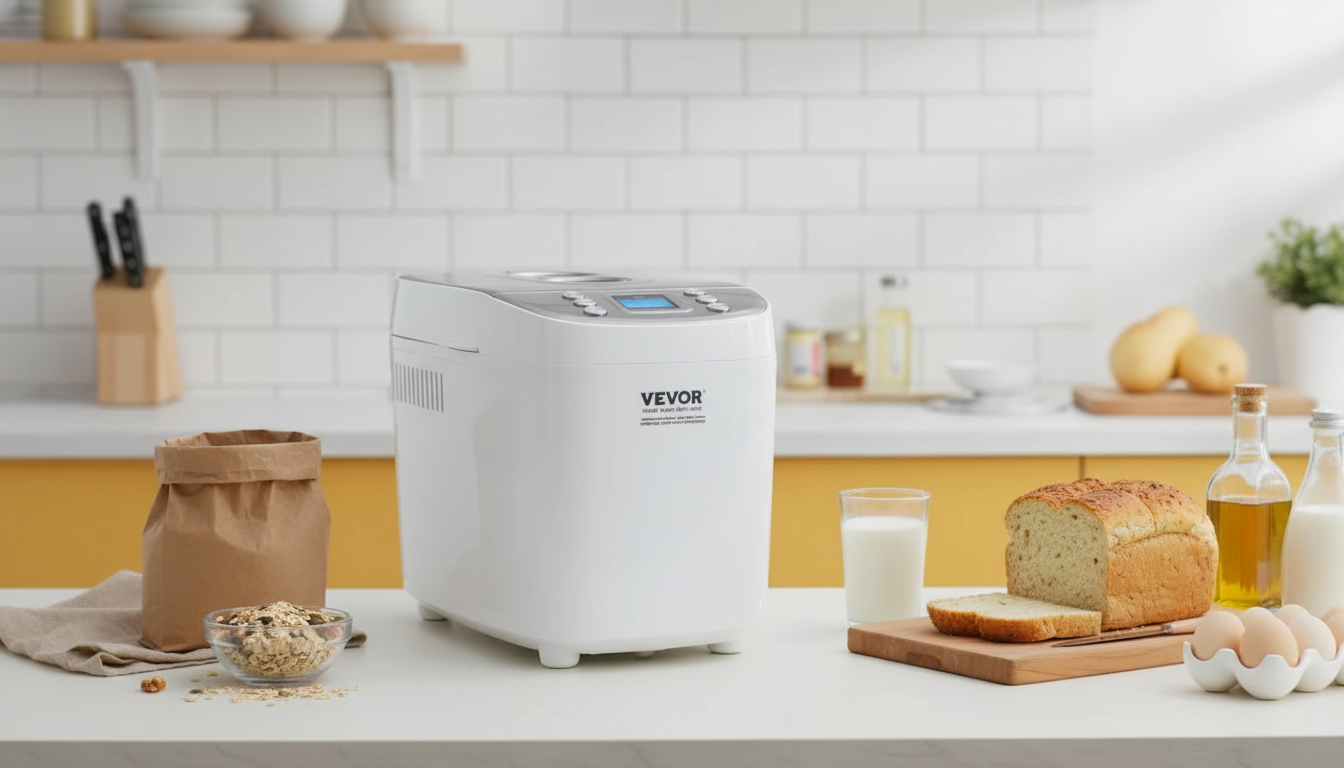
Automatic Bread Maker with 15 Functions & Gluten-Free Setting
A multi-function bread maker can simplify homemade loaves, doughs, and specialty bakes while reducing hands-on prep. For gluten-free baking in particular, the right preset and cycle timing can make the difference between a dense loaf and a well-risen, evenly baked result.
What the 15 functions add to everyday baking
Having multiple preset programs isn’t just about variety—it’s about matching knead, rise, and bake timing to how different recipes behave. Standard wheat doughs usually benefit from longer kneading and structured proofing, while quick breads may skip yeast rise entirely, and jam needs steady heat with frequent stirring.
- Preset programs support consistent results by aligning mixing intensity, proof duration, and baking temperature to the recipe type.
- Everyday use-cases often include sandwich loaves, sweet breads, pizza dough, dinner rolls, cake-style quick breads, and preserves.
- Helpful daily controls to look for include loaf size choices, crust color settings, and a delay timer so bread finishes at a specific time.
- Keep-warm modes add flexibility, but for best texture, remove the loaf soon after baking and cool it on a rack to avoid a damp crust.
Why a dedicated gluten-free setting matters
Gluten-free “dough” behaves more like a thick batter than an elastic wheat dough. Without gluten strands to trap gases and hold shape, gluten-free recipes typically need different mixing patterns and more controlled proofing so the loaf rises without collapsing.
- Different structure, different cycle: gluten-free mixes often need thorough initial mixing and a shorter, carefully managed rise.
- A gluten-free preset helps prevent collapse that can occur when a standard wheat cycle over-proofs a gluten-free batter.
- Precision matters more: weigh ingredients whenever possible; small measurement shifts can change crumb and rise dramatically.
- Cross-contact is a separate issue: a gluten-free program changes timing and temperature, but safe gluten-free baking also relies on clean tools and verified ingredients (see the FDA’s guidance on gluten-free labeling and the Celiac Disease Foundation’s overview of gluten-free diet basics).
Gluten-free cycle tips that improve loaf structure
| Step | What to do | Why it helps |
|---|---|---|
| Measure by weight | Use a kitchen scale for flour/starch blends and liquids | Improves consistency; gluten-free recipes are sensitive to small changes |
| Load wet first (if recipe calls for it) | Add liquids, then dry ingredients, then yeast/leavening as directed | Helps even hydration and reduces dry pockets |
| Scrape corners during first mix | Pause early to scrape flour into the mix if needed | Prevents unmixed flour/starch from weakening the crumb |
| Cool completely before slicing | Let the loaf cool on a rack 1–2 hours | Sets the crumb and reduces gumminess common in gluten-free bread |
Feature checklist before pressing Start
A bread maker can be wonderfully low-effort, but the day-to-day experience depends on a few practical details that show up every time you change settings or clean up.
- Program variety: confirm there’s a dedicated gluten-free program plus dough-only options for shaping and baking elsewhere.
- Loaf size and pan shape: choosing the right size helps reduce waste and keeps bread tasting fresher between bakes.
- Crust control: light/medium/dark settings help avoid over-browning in higher-sugar recipes (common in gluten-free formulas and sweet breads).
- Clear controls: a readable display and straightforward buttons matter when changing crust, size, or timers quickly.
- Easy cleanup: a nonstick pan and removable paddle speed up washing; also check whether the lid and edges wipe clean after steamy bakes.
Getting reliable results with gluten-free recipes
Consistency with gluten-free bread is mostly about controlling variables: recipe design, measurement accuracy, binder choice, and cooling time.
Troubleshooting common gluten-free bread machine problems
Care, cleaning, and safe ingredient handling
For general kitchen safety practices (clean surfaces, preventing cross-contamination, and safe storage), review the USDA’s guidance on safe food handling.
Product options in stock
If you want a single appliance that covers daily loaves, dough for shaping, and a dedicated gluten-free cycle, the Automatic Bread Maker with 15 Functions & Gluten-Free Setting is available now. A 15-function lineup makes it easier to rotate homemade staples—without hand-kneading or watching the oven—and the gluten-free program supports better structure when paired with machine-tested recipes and precise measurement.
FAQ
Does the gluten-free setting prevent gluten contamination?
No. The gluten-free setting changes mixing, proofing, and baking behavior, but it doesn’t eliminate gluten cross-contact from shared pans, tools, or airborne flour; use separate tools and careful cleaning if gluten avoidance is medically required.
Why did a gluten-free loaf collapse after rising?
Common causes include too much yeast, too much liquid, over-proofing, selecting a standard (non–gluten-free) cycle, or a very warm kitchen. Use the gluten-free program and adjust yeast or hydration in small increments while measuring ingredients by weight.
Can the machine make dough only for shaping and baking elsewhere?
Many multi-function bread makers include dough-only programs that mix and proof without baking, which is useful for pizza, rolls, and shaped loaves. Check the program list and timing so you can shape promptly after the cycle finishes.









Leave a comment