2-in-1 Cat Scratcher Lounge Bed: Durable Cardboard Pick
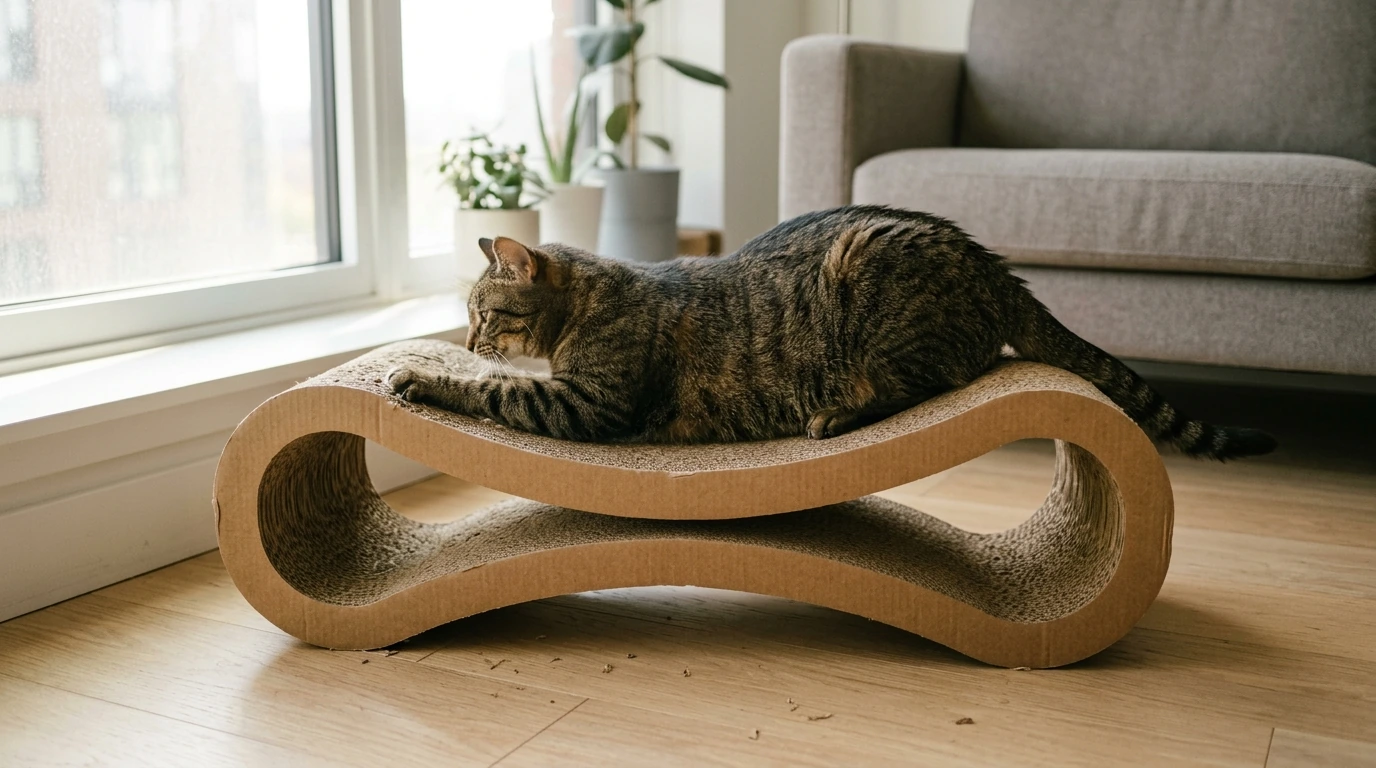
2-in-1 Cat Scratcher and Lounge Bed: A Durable Cardboard Scratch Board for Daily Use
A scratcher that also works as a nap spot can reduce furniture scratching while giving cats a dedicated place to stretch, claw, and relax. The right cardboard scratch board feels steady underpaw, satisfies the urge to rake and mark, and is comfortable enough to become part of a cat’s daily routine. Below are the most practical features to look for, plus setup tips that make the “approved” scratch zone more attractive than the sofa.
What a 2-in-1 scratcher lounge does for a home
A 2-in-1 scratcher-lounger creates one clear “cat zone” for both scratching and resting, which is especially helpful in apartments or smaller rooms where you don’t want multiple bulky posts and pads scattered around.
- Creates a single, cat-approved place to scratch and rest, reducing clutter.
- Encourages healthy stretching and claw maintenance while offering a comfortable perch for lounging.
- Helps redirect scratching away from sofas, rugs, and door frames by making the preferred option more appealing.
- Works well as an enrichment station when placed near a window, cat tree, or favorite nap area.
Why cats scratch (and why the right surface matters)
Scratching is normal cat behavior. It helps condition claws by removing old outer layers, supports a full-body stretch through the shoulders and back, and leaves scent marks from glands in the paws. For deeper behavior context, the ASPCA’s cat behavior resources explain why certain habits show up and how to address them without stress.
- Cats often choose stable, satisfying surfaces; wobbly scratchers are commonly ignored.
- Texture preference varies: many cats love corrugated cardboard, while others alternate between cardboard and sisal.
- Orientation matters: some cats prefer horizontal scratchers; lounger-style boards are great for horizontal scratching and long, satisfying stretches.
When a scratcher feels “right,” most cats will return to it repeatedly—especially if it’s placed where they already like to scratch and rest.
Key features to look for in a durable cardboard scratch board
Not all cardboard scratchers hold up the same. Durability comes down to how tightly the board is packed, how well it stays put, and whether it doubles as a comfortable hangout.
- Dense corrugation: Tighter, thicker layers generally last longer and feel more resistant under claws.
- Stability: A wider footprint reduces sliding and boosts confidence for heavier cats or enthusiastic scratchers.
- Lounge-friendly shape: Curved or supportive profiles encourage daily use beyond quick claw sessions.
- Low-mess design: Cardboard sheds, but sturdier builds can reduce excessive flaking.
- Pet-safe materials: Adhesives and inks should be non-toxic and appropriate for pet products.
Product spotlight: 2 in 1 Cat Scratcher and Lounge Bed – Durable Cardboard Cat Scratch Board
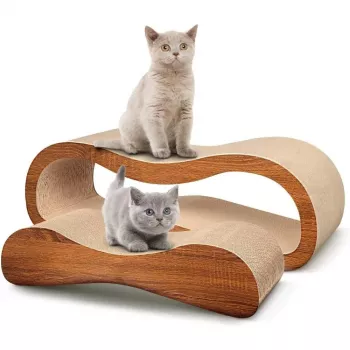
If the goal is to turn “scratching” into a habit that happens away from furniture, a scratcher that doubles as a nap spot has a built-in advantage: it stays in a cat’s daily rotation. The 2 in 1 Cat Scratcher and Lounge Bed – Durable Cardboard Cat Scratch Board combines a familiar cardboard scratch surface with a lounge-style shape that invites cats to settle in after a good stretch.
- Scratch surface provides a texture many cats prefer for claw conditioning.
- Lounger profile helps it become a “default” spot, not just an occasional scratch pad.
- Useful as a dedicated “yes spot” near a couch corner or entryway where scratching tends to happen.
- Practical for multi-cat homes when paired with an additional scratch location in another room.
| Item | Details |
|---|---|
| Product | 2 in 1 Cat Scratcher and Lounge Bed – Durable Cardboard Cat Scratch Board |
| Type | Cardboard scratch board + lounge bed |
| Best for | Redirecting scratching, daily stretching, lounging |
| Price | 49.97 USD |
| Availability | In stock |
Where to place it so cats actually use it
Placement is the difference between “loved daily” and “ignored in the corner.” Cats often scratch in social areas to greet, mark, and stretch as they move through the home.
Getting cats to switch from furniture to the scratcher
Training is mostly about making the right choice effortless—and reinforcing it quickly. The Humane Society offers additional guidance on building better scratching habits in its scratching solutions for cats.
For households considering declawing due to damage concerns, the AVMA’s declawing policy provides context and encourages prioritizing behavioral and environmental solutions first.
Maintenance, mess control, and when to replace
Safety and comfort notes
More in-stock picks for a cat-friendly routine
- 2 in 1 Cat Scratcher and Lounge Bed – Durable Cardboard Cat Scratch Board
- Compact Portable Power Bank (handy for keeping a phone charged during pet cam checks or long play sessions)
- DIY 3D Puzzle Miniature House Kit (a quiet, at-home activity while your cat lounges nearby)
FAQ
How long does a cardboard cat scratch board usually last?
It depends on your cat’s weight, how intensely they scratch, and how dense the cardboard is. Many boards last anywhere from a few weeks to a few months; replace it when it’s flattened, unstable, or your cat stops using it because it no longer feels resistant.
Is cardboard safe for cats to scratch and lounge on?
Yes—cardboard is commonly used for cat scratchers and is generally safe for scratching and lounging. Monitor for chewing or swallowing pieces, choose pet-safe materials, and clean up loose flakes to keep the area tidy.
Where should a cat scratcher be placed to stop furniture scratching?
Place the scratcher right next to (or directly in front of) the exact spot your cat targets first, then gradually move it if needed. High-traffic areas and spots near sleeping zones work well, especially when you reward your cat immediately after using the scratcher.









Leave a comment