Manual Pole Saws: Worth It for Home Pruning?
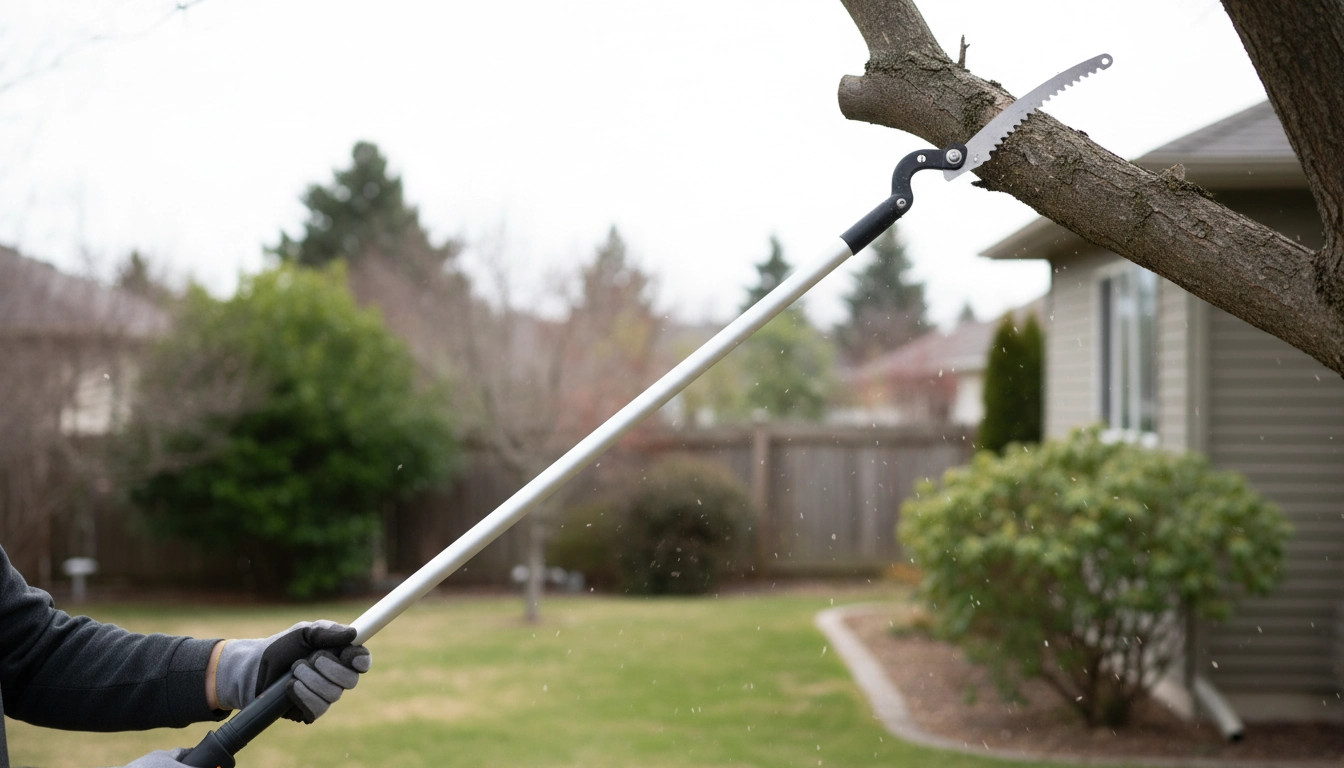
Are manual pole saws worth it?
Manual pole saws are worth it for many homeowners because they’re affordable, quiet, and surprisingly capable for routine pruning—especially when you’re dealing with occasional high branches and don’t want the cost, weight, or maintenance of a powered tool. A quality manual model can deliver clean cuts on small-to-medium limbs while keeping you safely on the ground.
The biggest value is control and simplicity. With a sharp blade and steady pull strokes, a manual pole saw lets you “feel” the cut and avoid tearing bark, which helps the tree heal better. There’s also no cord, no battery management, and no engine noise—useful for quick touch-ups or working in noise-sensitive neighborhoods.
When manual pole saws make the most sense
They shine for light-to-moderate trimming: clearing deadwood, shaping growth, and removing branches that aren’t overly thick. They’re also a strong fit if you only prune a few times per year or want a tool that’s ready anytime without charging or fueling.
Where they can fall short
If you regularly cut thick limbs or need to clear many branches in one session, manual cutting can be slow and tiring. Reach and stability matter too—longer poles can flex, making precise cuts harder. In those cases, stepping up to a sturdier extendable model (or a powered option) can reduce effort and improve results.
How to get the most value
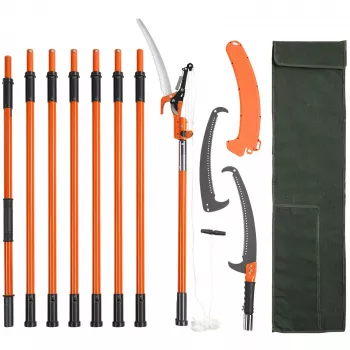
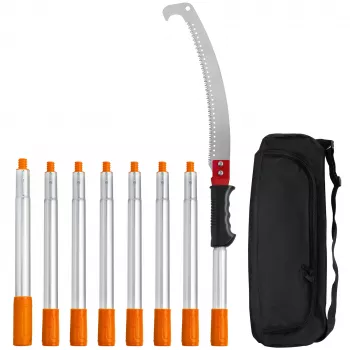
Look for a rigid extendable pole, a sharp replaceable blade, and a secure locking mechanism. Technique matters: support the branch when possible, cut at a safe angle, and avoid overreaching. For a deeper walkthrough on choosing a long-reach option and using it effectively on tall limbs, see this guide to a 27ft extendable manual pole saw for high-branch trimming.
FAQ
What thickness branch can a manual pole saw cut?
Most manual pole saws handle small-to-medium branches well, typically around 1–3 inches depending on wood hardness, blade sharpness, and your leverage. For thicker limbs, cutting becomes slow and can stress the pole and user.









Leave a comment