Floating Waterproof Phone Pouch for Beach, Pool & Boating
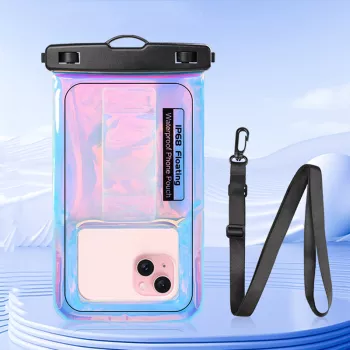
Laser Floating Waterproof Phone Pouch for iPhone & Android – Swim & Beach Case
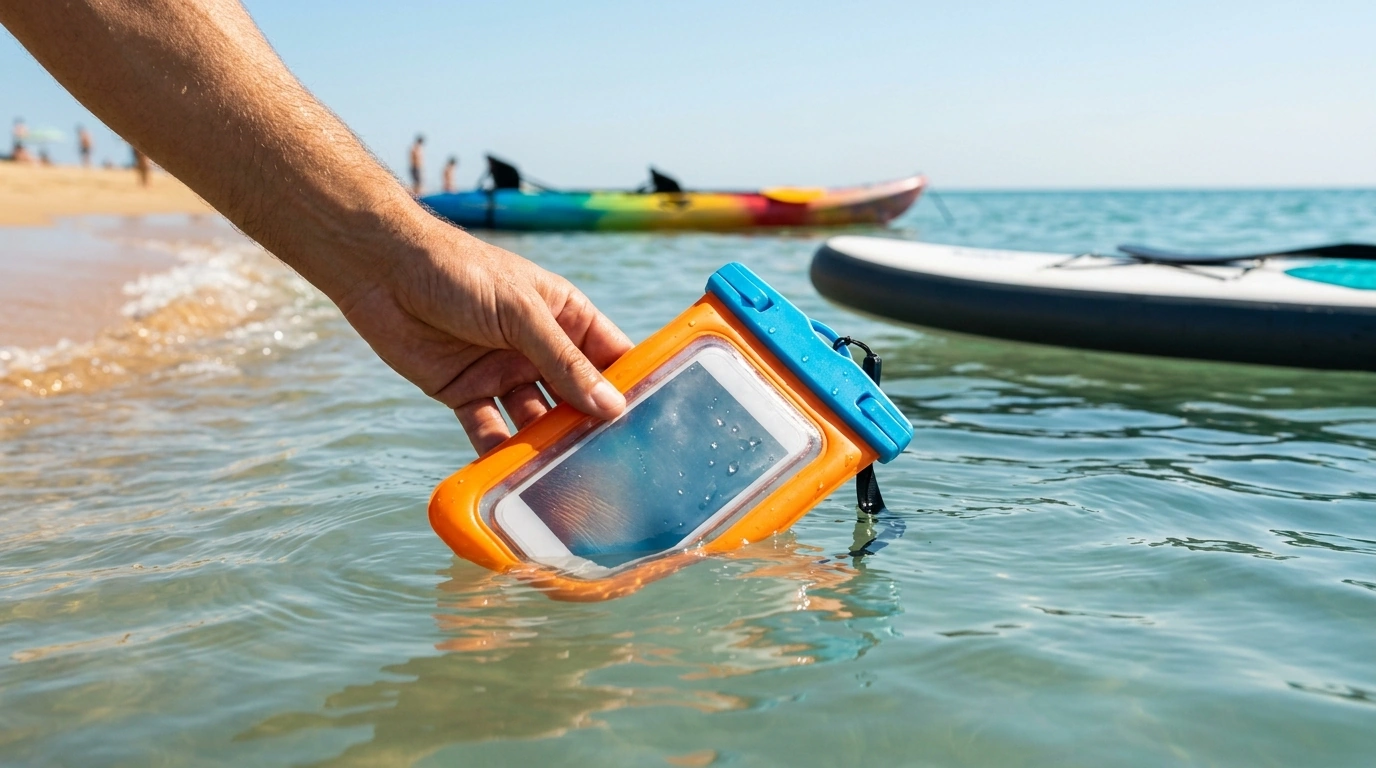
A floating waterproof phone pouch helps keep a phone protected and easy to spot during swimming, boating, snorkeling, pool days, and beach trips. This case-style pouch is designed to keep water and sand away from your device while still allowing quick access and use for photos, maps, and messages when conditions allow. If you’ve ever set your phone on a towel only to have it buried in sand—or worried about a slip off a paddleboard—using a floating pouch is a simple way to add both protection and peace of mind.
What This Floating Phone Pouch Is Made For
- Swimming and pool time: helps prevent accidental drops from becoming a lost-phone situation by floating on the surface.
- Beach protection: reduces exposure to sand, salt spray, and splashes that can damage ports and speakers.
- Boating, kayaking, paddleboarding: keeps a phone secured and visible if it slips into the water.
- Travel convenience: keeps essentials together when a pocket-free outfit or wet conditions make carrying a phone risky.
For a simple, ready-to-pack option, see the Laser Floating Waterproof Phone Pouch for iPhone & Android – Swim & Beach Case. It’s built for the moments when “careful” isn’t a reliable strategy—like crowded pool decks, choppy shorelines, or slippery docks.
Key Features That Matter in the Water
- Floating design: improves retrieval if dropped; visibility is especially useful in waves, pools, or busy shorelines.
- Sealed pouch construction: helps block water entry during splashes and short submersions; always follow the product’s closure instructions.
- Touchscreen usability: allows basic screen interaction through the pouch (results vary by phone model, screen protector type, and water pressure).
- Lanyard/strap carry: supports hands-free use while walking along the beach, wading, or taking photos.
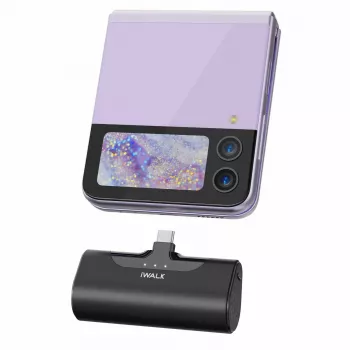
One practical tip: even the best pouch can’t help if your phone dies mid-outing. Pairing your beach bag with a small charger like the Compact Portable Power Bank keeps directions, digital tickets, and emergency calls within reach after a long day in the sun.
Compatibility and Fit Tips for iPhone and Android
- Check phone size: measure the phone’s height, width, and thickness (include the case if you plan to keep it on).
- Case-on vs case-off: many users get a more reliable seal and easier fit by removing bulky cases before inserting the phone.
- Button access: side buttons may be harder to press through any sealed pouch; plan for on-screen controls when possible.
- Camera expectations: photos can be clear through a pouch, but glare, water droplets, and plastic texture can affect sharpness—wipe the surface before shooting.
If your phone has a thick protective case, consider removing it before sealing the pouch. A forced fit can stress seams and make it harder to fully engage the closure—two things that directly impact water resistance.
How to Use It Safely (Quick Routine)
- Do a pre-check: inspect seams and the closure area for dust, sand, hair, or cracks that could break the seal.
- Run a dry test: close the pouch with a tissue inside and submerge briefly; if the tissue stays dry, proceed.
- Close carefully: press/lock the seal fully across its length; partial closure is a common cause of leaks.
- Rinse after saltwater: rinse the pouch with fresh water and let it dry fully to reduce salt buildup and odor.
Salt and fine sand are the two biggest “invisible” problems. They can work into closures and wear down materials over time, so a quick rinse and air-dry after the beach makes a noticeable difference in longevity.
Feature Snapshot
| Feature | Why it helps | What to check before buying/using |
|---|---|---|
| Floating capability | Easier retrieval if dropped in water | Whether it floats with your phone size and any accessories attached |
| Closure system | Primary defense against leaks | Lock fully engages; no gaps; closure stays secure when wet |
| Touchscreen response | Basic phone use without removing device | Works with your phone model; reduced sensitivity is normal |
| Carry comfort | Hands-free use at the beach or on a boat | Adjustable lanyard length and secure attachment point |
| Photo usability | Captures moments without exposing phone | Clear pouch window; wipe droplets; avoid strong glare angles |
Care, Storage, and Longevity
When a Floating Pouch Is a Better Choice Than “Water-Resistant” Phones
IP ratings describe levels of dust and water ingress protection, but they don’t guarantee protection in every real-world scenario—especially after everyday wear. For reference, review the IEC 60529 IP Code overview and manufacturer guidance like Apple’s water resistance notes or Samsung’s IP rating support page. A floating waterproof pouch adds a practical layer of protection for situations where drops, waves, and sand are part of the plan.
Shop Essentials for Water Days
- Laser Floating Waterproof Phone Pouch for iPhone & Android – Swim & Beach Case
- Compact Portable Power Bank
FAQ
Can the phone be used for photos and touchscreen actions while inside the pouch?
Yes for basic use in many cases, but touchscreen sensitivity can drop and Face ID may not work reliably through the material. Wipe the clear window before taking photos, and test the camera and on-screen controls on land to understand how your phone responds.
Will a floating phone pouch keep my phone completely dry underwater?
It’s designed to keep water out when properly sealed, but results depend on correct closure, the pouch’s condition, and the water environment. Do a quick tissue leak test before each trip, and don’t use it in water if you see seam damage, cracks, or a closure that won’t lock firmly.
Should the phone be placed in the pouch with its regular case on?
A slim case may fit, but bulky cases can prevent a secure seal or put extra stress on seams. For the most reliable fit, remove thick cases and confirm the closure fully locks without forcing it.








Leave a comment