Elegant Upholstered Dining Chairs: Comfort, Fit, Care
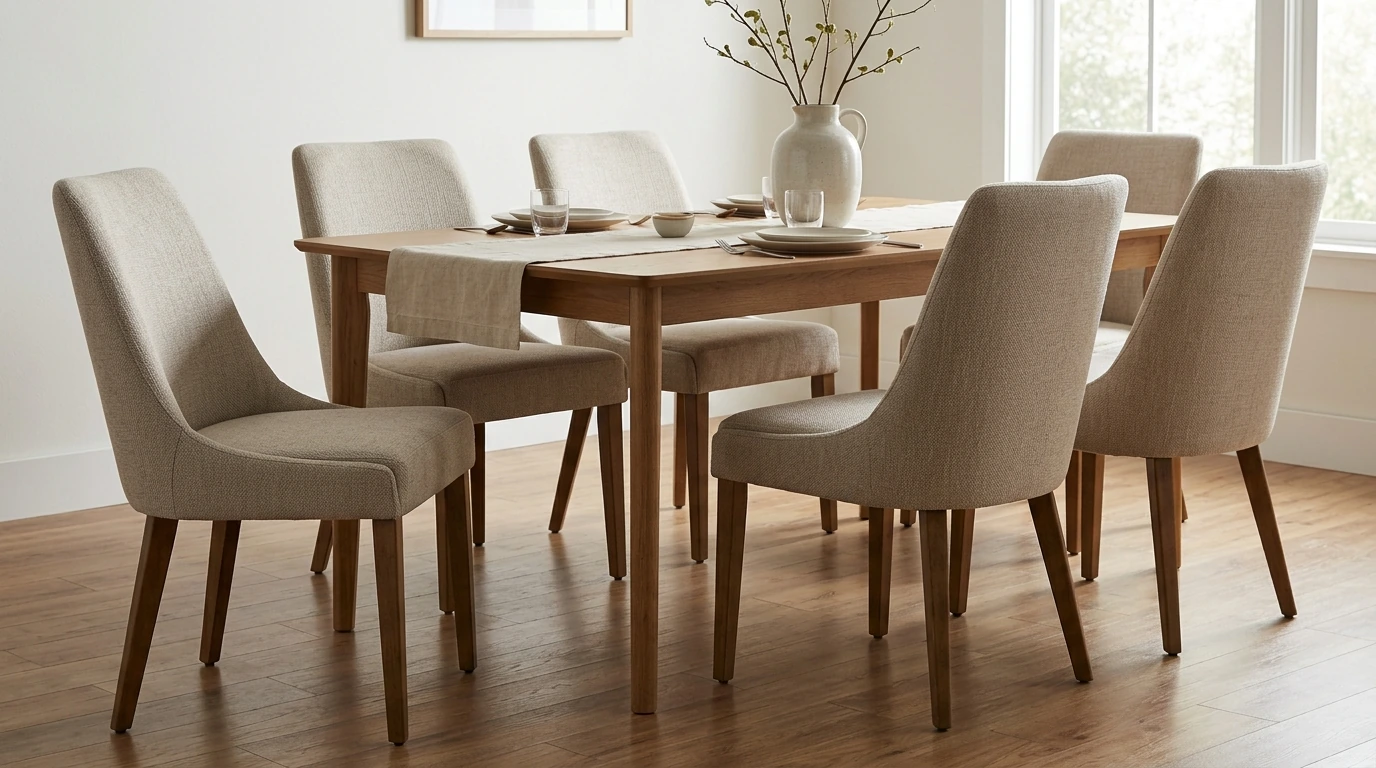
Elegant Upholstered Dining Chairs for Comfortable, Polished Dining Spaces
Upholstered dining chairs bring a softer, more inviting feel to the table while improving comfort for longer meals and gatherings. The right pair balances supportive cushioning, durable fabric, stable construction, and proportions that fit the table and room. Below are practical ways to evaluate comfort, pick materials that hold up to real life, style your dining setup, and keep upholstery looking crisp over time.
What Makes a Dining Chair Feel Truly Comfortable
Comfort is a mix of fit, support, and stability—not just a padded seat. A few measurements and design cues can help narrow the search quickly.
- Seat height and depth: Aim for a seat height that leaves about 10–12 inches between the seat and tabletop. Deeper seats can feel more lounge-like, but they may crowd smaller tables and make it harder to sit upright while eating.
- Back support: A backrest that supports the mid-back tends to feel better during longer dinners. Gently curved backs reduce pressure points and encourage a relaxed posture.
- Cushioning: Medium-firm padding usually holds its shape better than very plush fills. If details are listed, look for resilient foam and supportive webbing or springs for long-term comfort.
- Arm vs. armless: Armless chairs tuck neatly under most tables and keep the footprint slim. Armed chairs can feel more luxurious, but they need more clearance and may reduce how many seats fit along one side.
- Stability: A sturdy frame and well-joined legs matter more than a trendy silhouette. The chair should feel steady when you shift your weight or lean back slightly.
Upholstery and Frame Materials That Hold Up
Dining rooms are high-traffic by nature, which means fabrics and finishes should be chosen with everyday wear in mind—spills, crumbs, and frequent chair movement included.
- Fabric options: Woven polyester blends are commonly durable and often more stain-resistant. Velvet adds depth and a dressier look, though it can show pressure marks and attract lint. Faux leather is a go-to for quick wipe-down cleanup.
- Performance fabrics: If offered, these are a smart choice for busy households because they’re designed for easy cleaning and better resistance to staining.
- Frame choices: Hardwood is known for strength and longevity. Engineered wood can be stable when well-made. Metal frames suit modern spaces and can feel especially rigid and secure.
- Leg finishes: Darker finishes help hide scuffs; lighter wood tones can brighten a room but may show wear sooner.
- Check the details: Reinforced corners, secure hardware, and protective floor glides help reduce wobble and prevent scratches on hardwood or tile.
Quick Guide to Common Upholstery Choices
| Upholstery type | Best for | Trade-offs | Care basics |
|---|---|---|---|
| Woven fabric (polyester/blend) | Everyday meals, frequent hosting | Can absorb spills if not treated | Blot spills quickly; spot-clean with mild solution |
| Velvet (synthetic or blend) | A luxe, formal dining look | Shows crush marks; attracts lint | Brush gently; vacuum with upholstery tool |
| Faux leather (PU) | Fast cleanup, casual dining | Can peel over time; less breathable | Wipe with soft damp cloth; avoid harsh cleaners |
| Leather (if offered) | Long-term durability, classic style | Higher cost; needs conditioning | Wipe and condition periodically |
Getting the Size and Spacing Right
Even gorgeous upholstered dining chairs can feel “off” if the spacing is tight or the seat height doesn’t align with the table. A few layout rules make the room feel more effortless.
For households planning for varied needs, it can also help to consider accessibility and ease of movement around seating; the W3C Web Accessibility Initiative (WAI) offers helpful principles that translate well to everyday layout decisions.
Styling Ideas for a Refined, Inviting Dining Area
Care and Maintenance for Dining-Ready Upholstery
When checking cleaning instructions, follow the manufacturer’s care guidance and labeling; the Federal Trade Commission’s textile labeling resource is a useful reference for understanding how textile products are typically labeled and described.
A Simple Checklist Before Buying
Featured Pick: Elegant Upholstered Dining Chairs
When the goal is a dining area that feels pulled together without sacrificing comfort, Elegant Upholstered Dining Chairs offer a polished upholstered look that works for everyday meals and special occasions alike. The cushioned seating feel helps keep dinners and conversations going longer, while the refined silhouette pairs easily with a range of table finishes—from light wood and warm walnut tones to darker, contemporary materials. For styling, they look cohesive as a full set, or can be used as accent “host” chairs at the head of the table to elevate a mixed-chair arrangement.
More in-stock finds for hosting and home
- Commercial Meat Tenderizer for meal prep when you’re cooking for a crowd.
- Compact Portable Power Bank to keep phones charged during long dinners, games, and gatherings.
FAQ
How many upholstered dining chairs can fit at a standard table?
Use the table length and plan about 22–24 inches per chair for comfortable elbow room. Also account for table legs or a pedestal base, and make sure there’s enough space to slide chairs in and out without bumping neighbors.
Are upholstered dining chairs hard to keep clean?
They’re manageable with weekly vacuuming and quick spill blotting. Performance fabrics, darker shades, and textured weaves can make everyday marks less noticeable between deeper cleanings.
Should dining chairs match the table exactly?
No—matching undertones and proportions matters more than identical finishes. A wood table paired with upholstered chairs often looks intentionally curated, especially when the fabric and leg finish complement nearby lighting or hardware.









Leave a comment