1800W 1152Wh Power Station: Real-World Runtime Guide
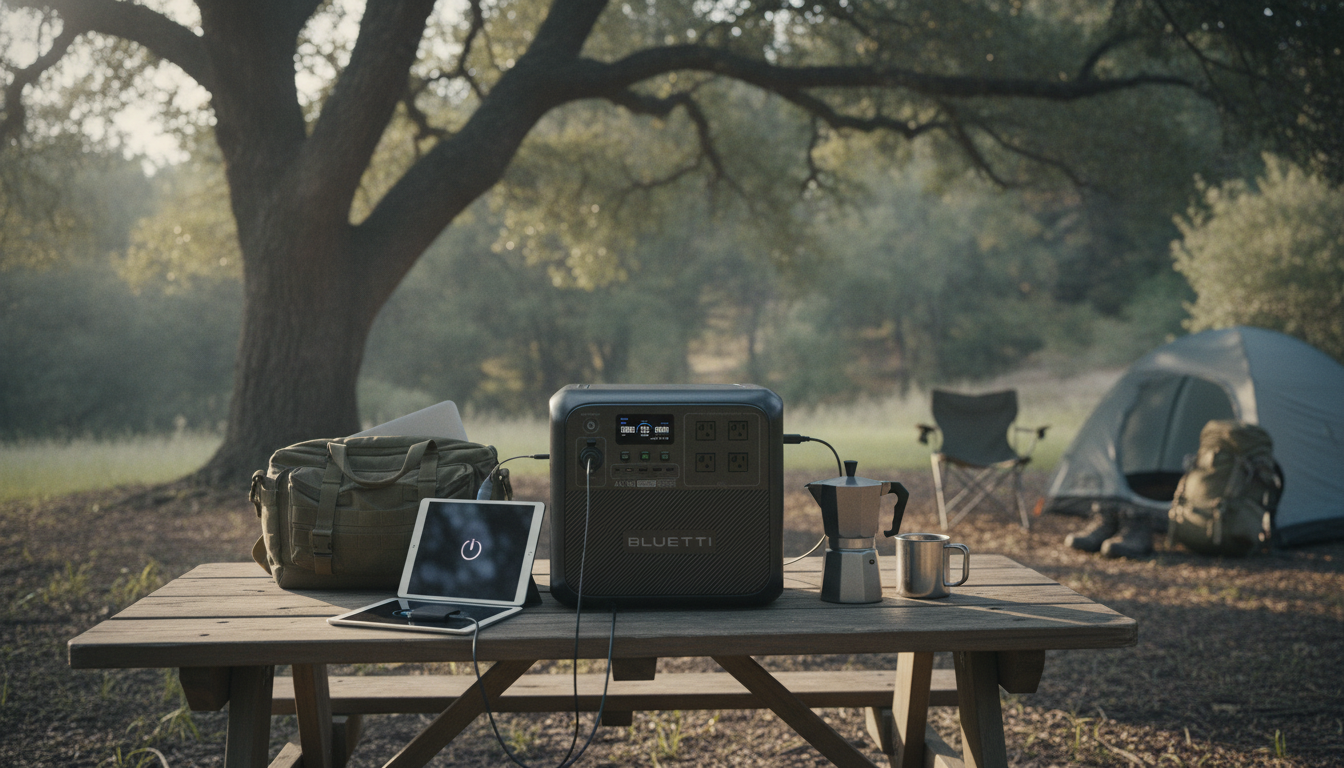
1800W / 1152Wh Portable Power Station Basics: What the Numbers Really Mean
A portable power station keeps lights on, phones charged, and small appliances running when wall outlets aren’t available—whether that’s at a campsite, a trailhead basecamp, or during a neighborhood outage. The two specs that matter most are battery capacity (measured in watt-hours) and inverter output (measured in watts). Together, they determine what you can power and for how long.
If you’re comparing options for weekend trips and emergency readiness, an 1152Wh capacity paired with up to 1800W output lands in a sweet spot: enough stored energy for overnight essentials, and enough “muscle” to run many common AC devices within reason.
What 1152Wh capacity and 1800W output mean
1152Wh capacity is the size of the battery “fuel tank.” In simple terms, a bigger Wh number generally means longer runtime for the same gear. It’s most noticeable for overnight loads like lights, fans, routers, medical devices, and a cooler cycling on and off.
1800W output is the “engine strength” of the inverter. It determines what the station can power at once—especially higher-draw devices such as kettles, some microwaves, or tools. Even if the battery is large, you still can’t run a device that demands more watts than the inverter can supply.
Real runtime always depends on a few practical variables:
- Device wattage (and whether it cycles on/off).
- Inverter and conversion efficiency (AC output wastes a bit of energy as heat).
- Multiple devices running simultaneously (total watts add up quickly).
For camping and emergencies, capacity usually matters most for comfort through the night, while output matters when you want to use occasional high-draw appliances without tripping overload protection.
Quick runtime estimates for common camping and emergency gear
A fast way to estimate runtime is:
Runtime (hours) ≈ (Battery Wh × 0.85) ÷ Load watts
The 0.85 factor reflects typical conversion losses and real-world inefficiencies. Low-watt devices (phones, headlamps, modem/router) can run for many hours or recharge multiple times. High-watt appliances shorten runtime dramatically—even if the power station can handle the load.
Also note that some appliances cycle. A 12V cooler, for example, might draw 60W on average even if it spikes higher when the compressor kicks on, which can extend real runtime versus a constant load.
Example runtimes from a 1152Wh power station (approx.)
| Device | Typical Load (W) | Estimated Runtime |
|---|---|---|
| Phone charging | 10 | ≈ 98 hours (many full charges) |
| LED lantern string | 20 | ≈ 49 hours |
| Laptop | 60 | ≈ 16 hours |
| CPAP (no heated hose) | 40 | ≈ 24 hours |
| Wi‑Fi router/modem | 15 | ≈ 65 hours |
| 12V cooler (average draw) | 60 | ≈ 16 hours |
| Mini fan | 30 | ≈ 33 hours |
| Electric blanket (low) | 80 | ≈ 12 hours |
| Small coffee maker | 600 | ≈ 1.6 hours |
| Space heater (not ideal) | 1500 | ≈ 0.65 hours |
Where this power station fits best: camping, hiking basecamps, and outages
Car camping and overlanding
This class of power station is well-suited to vehicle-supported trips: lighting, charging camera batteries, running a cooler, topping off radios, and using small kitchen appliances briefly. With sensible use, it can cover a full day-plus of typical camp electronics, and it’s easy to recharge from a vehicle while you move between stops.
Hiking and backpacking (basecamp use)
Most people won’t carry an 1152Wh station deep into the backcountry. Instead, it shines as a basecamp hub at the trailhead, in an RV, or in a vehicle where you can keep weight off your back while still powering drones, GPS devices, headlamps, and comms gear.
Home emergencies and storm prep
For outages, a mid-to-high-capacity unit can keep essentials going: phones, a modem/router, lamps, a small fan, and intermittent small-appliance use. For planning and safety guidance during outages, consult Ready.gov’s power outage tips and local weather alerts from the National Weather Service.
How to plan a simple power budget
A quick power budget prevents surprises and helps you stretch runtime:
- List essentials and note watts (or calculate amps × volts).
- Estimate hours per day for each device.
- Separate always-on loads (router, lights) from burst loads (coffee maker, blender).
- Keep a 15–25% buffer for losses, cold-weather performance drops, and unexpected needs.
- Avoid stacking high-watt appliances; keep the combined running watts under the station’s output rating.
Charging options and real-world expectations
Safe use and longevity tips
Product snapshot: 1800W Portable Power Station 1152Wh
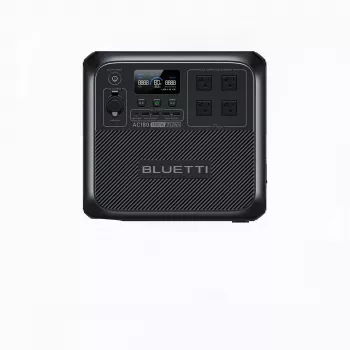
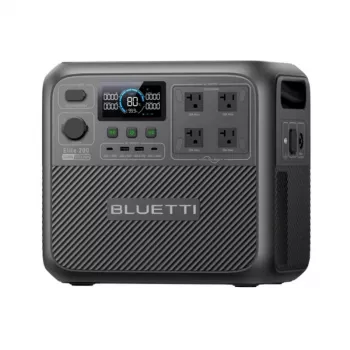
For a balance of strong output and practical capacity, the 1800W Portable Power Station 1152Wh for Camping, Hiking & Emergencies is positioned for weekend trips, basecamps, and short-term outage coverage. Its 1800W output class supports multiple electronics and select higher-draw appliances within limits, while 1152Wh capacity is well-matched to overnight essentials when paired with a basic power budget and a recharge plan.
More in-stock picks for travel and camp logistics
- 5-Step Folding Dog Stairs for Cars for easier vehicle entry during road trips and campsite stops.
- Personalized Balloon Letter Necklace as a simple personalized accessory for travel days and gifting.
FAQ
How long will a 1152Wh power station run a 60W device?
Using a quick estimate with conversion losses: runtime ≈ (1152 × 0.85) ÷ 60 ≈ 16 hours. Actual results vary with inverter efficiency, temperature, and whether the device draws a steady 60W or cycles.
Can an 1800W power station run a space heater or microwave?
It can run some models as long as the running watts stay under 1800W (and the surge/starting watts don’t exceed the unit’s limits), but runtime will be short at those loads. Avoid running other high-watt devices at the same time to prevent overload.
Is a power station like this practical for hiking?
For backpacking, it’s usually not practical to carry due to size and weight, but it works well as a basecamp or vehicle hub at a trailhead. It’s a strong fit for car camping, overlanding, and emergency kits where portability means “moveable,” not “packable.”








Leave a comment